Tag: healing

  • Radical Individualism

    I came across this term recently, Radical Individualism, in my small group. At first, it was a phrase that felt foreign, like a sociological idea I’d never really thought about before. But the more I sat with it, the more I realized how deeply familiar it actually was. Because, in truth, it’s become the very air we breathe in modern society.

    For much of my life, I wore independence like a badge of honor. I prided myself on being able to do everything on my own, convincing myself that needing others was weakness. I thought self-reliance meant strength. And while there is value in resilience, in determination, I’ve come to see how this mindset can also become destructive, both to ourselves and to the world around us.

    Society celebrates the lone achiever, the “self-made” success story, the person who “needs no one.” We are told over and over that freedom is found in doing it all ourselves, carving our own path, and putting ourselves first. But if that’s true, then why are we living in one of the loneliest generations in history? Why are depression, anxiety, and suicide rates higher than ever before, especially in the very places where people have more material wealth, comfort, and opportunity than almost any other time in human history?

    I think it comes down to radical individualism.
    So what is it? Radical individualism is the belief that the highest good is personal autonomy, that the most important thing in life is the self: my rights, my choices, my freedom, my success, my happiness. It’s the airbrushed motto of our time: “Do you. Look out for number one. Live your truth.” It tells us that the self is ultimate, and that community, tradition, or collective responsibility come second, if at all.

    We see it every day.

    We see it in the way people are glued to their phones while sitting in a café surrounded by strangers they never acknowledge.
    We see it in the endless pursuit of “financial freedom,” as if reaching a certain salary could somehow fulfil us.

    We see it in the curated lives plastered across social media, the new car, the kitchen renovation, the big house, the promotion, the holiday abroad, all framed as proof of success, proof of worth. And always, it’s done “for ourselves.”

    But radical individualism comes at a cost. It breeds discontent because there’s never enough, enough money, enough recognition, enough “likes.” Even when we get what we thought we wanted, the joy is fleeting. And so the cycle continues: striving, achieving, upgrading, isolating.

    Research has shown people who tie their self-worth or happiness to financial success often end up more anxious, stressed, and dissatisfied, because the very thing they are chasing becomes the thing that enslaves them. And I can feel the weight of that truth, because I’ve seen it all around me, and at times within myself. 

    It also deepens economic inequality. We celebrate the entrepreneur who “made it on their own,” but rarely stop to consider the privileges that made their journey possible, the country they were born in, education, family wealth, networks, or systemic advantages that not everyone has.

    Social media tells us that anyone can hustle their way to success, but the reality is far more complex. Radical individualism not only overlooks inequality, it disguises it. It tells the struggling single mother working two jobs that if she just tried harder, she could have the life of the influencer she sees online. It tells the young man in a developing nation that his lack of opportunity is his fault, not the result of global structures stacked against him.

    But perhaps the most devastating consequence of radical individualism is loneliness.

    We are lonely, even when we are not alone. Surrounded by people, but disconnected from them. We scroll instead of speak. We text instead of call. We fill every moment with noise and distraction, yet starve for real connection. We’ve forgotten what true community looks like, what it means to share life deeply, to carry one another’s burdens, to be seen and known not for what we achieve but simply for who we are.

    And I know I’m guilty of this too. I get busy, distracted, consumed with my own responsibilities and worries. Before I know it, months have passed without calling friends back home. Even here on the ship, where I live alongside friends in close quarters, I can go a week without slowing down enough to really check in with them, to ask how they are, really are.

    But I don’t think we were ever meant to live this way.

    From the very beginning, God said, “It is not good for man to be alone.” We were created for community, for family, for friendship, for shared life. And when I look at the life of Jesus, I see this truth lived out in every step He took.

    Jesus did not live as a radical individualist. He didn’t isolate Himself in pursuit of self-fulfilment or personal achievement. Instead, He lived in community. He chose disciples to walk alongside Him. He ate with people. He wept with people. He celebrated weddings, visited homes, taught in groups, healed in crowds. His ministry was built not on independence but on interdependence. Even as the Son of God, He modelled dependence, on the Father, on the Spirit, and on the relationships He cultivated around Him.

    And this isn’t just a “Christian” truth. Even if you set faith aside for a moment, human history, psychology, and science all point to the same reality, we aren’t built to live only for ourselves. From the earliest days of humanity, survival depended on community. Tribes hunted together, shared resources, cared for one another’s children, and protected the vulnerable. Connection was not optional, it was life.

    Even now, research consistently shows that people who are embedded in strong communities live longer, healthier, more fulfilled lives. Loneliness, on the other hand, has been linked to higher rates of depression, anxiety, heart disease, and even early death. We are literally wired, biologically, emotionally, socially, for connection, for reciprocity, for love.

    And yet, in our modern culture, we’re encouraged to chase independence at all costs. To make our lives about “me” my goals, my family, my success, my comfort, my future. But deep down, most of us know that the things that make life truly meaningful are not the promotions or possessions, but the relationships. It’s the moments of laughter around a table, the shoulder offered in grief, the friend who answers the phone at 2 a.m., the neighbour who shows up when you’re sick.

    But it’s not just about living in community, it’s about how we show up in it. True community isn’t simply being surrounded by people, it’s choosing to live in a way that is selfless, generous, and outward-focused. It’s not just asking, “What do I need?” but also, “What does my neighbor need? What can I give? How can I lighten someone else’s load?”

    Our culture trains us to measure everything by personal gain, but the deepest meaning is found in giving ourselves away. Whether it’s sacrificing time to sit with someone in pain, sharing resources even when we don’t have much, or simply paying attention to someone who feels invisible, these are the moments that matter. These are the actions that create bonds strong enough to weather hardship. When we stop living only for ourselves and begin to think of others first, we don’t just build stronger communities, we become more whole ourselves.

    So what does community mean today? It means slowing down. It means putting down the phone and looking someone in the eyes. It means choosing to call the friend you’ve been meaning to for months. It means showing up at a neighbor’s door with food. It means creating space at your table, even when life is messy and you feel like you have nothing to give. It means asking for help when you need it, and offering help when someone else does.

    For me, it also means being intentional, reminding myself, sometimes daily, that I don’t want to be consumed by individualism. I don’t want to drift into a life where everything revolves around me, my goals, my needs, my comfort. I want to live in a way that reflects the community of Jesus: open, generous, sacrificial, and loving. A life that notices others. A life that doesn’t just say people matter, but shows it.

    But if I’m being really honest, I know I fall short of this. A lot. I get busy, distracted, caught up in my own head. Too often, I choose convenience over community. I push aside that nudge to call a friend because I’m tired. I walk past opportunities to stop and listen because I’m in a rush. I tell myself I’ll “make time later,” but later doesn’t always come. Even on the ship, where I live surrounded by people I care about, I can go a week without really checking in, without slowing down enough to ask how someone is really doing.

    And I don’t like admitting that. Because it reveals a gap between the life I want to live and the life I’m actually living. But naming it matters. It’s part of holding myself accountable, of choosing not to settle for good intentions but leaning toward change.

    I know I need to grow in this. I want to be someone who reaches out more often, who makes space for others even when it’s inconvenient, who resists the pull to turn inward when life gets overwhelming. I want to do better at slowing down, at being present, at choosing people over productivity. Because deep down, I know that’s where the real beauty of life is found, in the moments we choose to step outside of ourselves and give.

    Because at the end of the day, it’s not the new car, the promotion, or the financial freedom that will matter. It’s the people we walked alongside. The lives we touched. The love we gave and received.

    We weren’t meant to live alone.
    We were meant to live together.
    And when we do, we discover that true joy, true fulfillment, and true freedom are found not in individualism, but in love.

  • First Time Home

    The week after that Easter, I flew home for some PTO, carrying with me something far greater than just my luggage, I carried my newfound faith, a transformation so profound that I knew I couldn’t keep it to myself. Before I was baptized, I wanted to share this part of me with my mum. Not because I expected her to understand or even accept it, but because my faith was now woven into the very fabric of who I was. Keeping it from her would have felt like hiding a part of myself. And I didn’t want to hide anymore.

    Still, I was nervous. My mum had always been supportive, but faith had never been a part of our relationship. She used to joke that it would be funny if I ever came back from the ship believing in God. And now, here I was, coming home to tell her that I did. That I loved Jesus. That everything in my life had shifted because of it. Would she laugh? Would she brush it off as just another phase? Would she see how deeply this had changed me?

    I knew that nothing she said could shake what I had found, my love for Jesus was unwavering, but there was something vulnerable about saying it out loud to someone who had known me my whole life. I wasn’t the same person who had left. I had been found, redeemed, made new. And this was my first step in sharing that truth with the people I loved most. As the plane touched down, my heart pounded with anticipation. No matter how the conversation went, I knew one thing for certain: I wasn’t just coming home, I was stepping into my faith, fully and fearlessly, for the first time.

    It’s amazing how much I had changed in barely a year. At first, the change felt internal, subtle, like a quiet shift in the foundation of my soul. But I don’t think I fully grasped just how profound it was until I went home. There, in the familiarity of my childhood surroundings, among the people who had known me my whole life, I saw it reflected back at me. 

    After just a couple of days, my mum noticed something different. She watched me the way only a mother can, with an intuition that saw beyond my words. I hadn’t even told her about my faith yet, but she could see it. She told me I seemed different, lighter, like for the first time in my life, I was truly content. Not just happy in the fleeting way I had been before, but something deeper. She saw the joy in me, a kind of joy that didn’t waver, that didn’t come and go with circumstances. But most of all, she saw the healing. She saw that I was healing from my past traumas, from the restless searching that had defined so much of my life.

    When she said those words, my heart clenched. I had prayed for this moment, to have the courage to tell her, to share what had changed me. And yet, hearing her acknowledge it before I even spoke made my eyes well up with tears. It was as if God was already softening the path ahead, showing me that my faith was not just a hidden, private thing, it was visible. Tangible. I finally shared my faith with her, despite the fears that had gripped me for weeks. I had worried she wouldn’t understand, that she would dismiss it or see it as something foreign to who I was. But as I spoke, I saw something unexpected in her eyes, not confusion, not scepticism, but warmth. And then, she cried.

    Not because she was sad, but because she was happy for me. She saw that I had found my purpose. She asked questions. Real, thoughtful questions, not just to be polite, but because she was curious. She wanted to understand what had changed me so completely. Since then, we have had some incredible conversations, conversations I never thought we would have.

    The rest of my time at home was filled with catching up with friends and family, and while it was fulfilling, it was also strange. Familiar places, familiar faces, yet something felt different. Or maybe it was me. I had stepped back into a world that once felt like home, but now, it felt slightly out of focus, as if I were looking at it through a pane of glass. Close enough to touch, yet separate somehow.

    I realised that I didn’t quite belong in Australia anymore. Maybe I had never really belonged. Life had moved on in my absence, just as I had moved on in my own way. My friends were getting married, buying houses, having children. Their lives were mapped out in milestones that made sense, steps that society expected. I was doing the complete opposite, volunteering on a Hospital Ship in Africa, serving in ways I had never imagined, walking a path that, to many, seemed unconventional. But I had found something greater than any dream I had once held for myself. I had found purpose. A purpose that had changed everything.

    I’d be lying if I said my friendships hadn’t changed. Distance does that, it shifts things in quiet, unspoken ways. My friends back home will always be my best friends, especially Britt, she is my sister, my family, my anchor in so many ways. But after being overseas for five years, the space between us was undeniable. Not because we had stopped loving each other, but because life had simply taken us down different roads.

    There were moments of disconnect, moments where I felt like a visitor in a life I had once been so immersed in. It wasn’t anyone’s fault, it was just the reality of growing up, of choosing different paths, of stepping into callings that sometimes led us in opposite directions. There were times when the conversations felt different, moments of silence where I wondered if my family and friends saw me as I was now or only as the person I used to be.

    And yet, love remained. Even in the awkward moments of not fully understanding one another’s lives, even in the quiet realization that we were no longer the same people we had once been, the love between us never faded. It simply took on a new form, one that stretched across oceans, across time zones, across the different rhythms of our lives. And that was enough. Because true friendship, true love, isn’t about always walking the same road. It’s about always finding your way back to each other, no matter how far you’ve travelled.

    Being home gave me the chance to say goodbye, to my old life, my old self, to the person I barely recognized anymore. As I walked familiar streets and sat in familiar places, I saw echoes of who I used to be. The restless girl who was always searching, always longing for something more. The girl who had carried an ache she couldn’t name, who had tried to fill the void with unhealthy relationships and habits, with movement, with anything that might quiet the gnawing feeling inside her.

    But now, that ache was beginning to fade. That restless feeling, the urge to run, to escape, to search, it had been replaced with something entirely new. Something steady. Something certain. It was in those quiet moments, in the in-between spaces of my trip home, that I realized Australia, for now, wasn’t my home anymore. It would always be a part of me, but I no longer belonged there in the same way I once had. My heart had been called elsewhere. I was meant to be where I was, on a hospital ship in Sierra Leone, serving, growing, surrendering daily to God’s plan for me.

    For the first time in my life, I wasn’t searching. I wasn’t running. I wasn’t chasing after something just out of reach. Instead, I felt a deep, steady hum of knowing. A peace that surpassed all understanding. I would come to know that feeling as Shalom, not just peace, but wholeness. The kind of peace that settles into your soul and stays. The kind of peace that tells you: You are exactly where you are meant to be.

    When I finally returned to the ship, I knew. Knew with every fibre of my being that it was time. The field service was coming to an end, and the old me was being laid to rest. Now, it was time to step fully into the life God had given me. To declare, in front of the world, the love that had transformed me.

    I had found my home. Not in a country. Not in a place.

    But in Jesus.

  • Embracing my Faith

    Throughout my first ten months in Sierra Leone, my faith became more than just something I was learning about, it became something I was living. I had stepped onto the ship as someone still unsure, still holding onto pieces of my old identity, still battling the lies that had shaped me for so long. But as the months passed, something inside me began to shift. For the first time in my life, I could feel the weight of my past beginning to lift.

    It had been there for as long as I could remember, an invisible burden pressing down on my chest, woven into my thoughts, influencing my choices, convincing me that I was unworthy of love, of grace, of belonging. I had carried it for so long that I had stopped noticing its weight, until I felt it start to lighten. I wasn’t just hearing the truth of God’s love anymore, I was beginning to know it. Not just in my mind, but in my soul

    That I was loved. That I had always been loved. That even in my worst moments, my most broken decisions, my most painful regrets, His love had never wavered. And as that truth settled into the deepest parts of me, I found myself stepping into a new kind of honesty. For the first time, I began to open up about my past, not just to God, but to my friends. We would sit together, in the quiet hum of the ship and I would speak words I rarely spoke aloud. I would tell them about the choices I had made, the things I had done, the pain I had carried. I would let them see the parts of me I had spent so long trying to hide. And the most incredible thing? They listened. They didn’t flinch. They didn’t turn away. They didn’t look at me differently. Instead, they met my brokenness with grace, reminding me, over and over, that I was forgiven. But even more importantly, I was finally being honest with myself. That kind of honesty was terrifying.

    It was painful. It felt like exposing wounds that had long been buried, wounds I had pretended didn’t exist. But as much as it hurt, it was also freeing. Because healing doesn’t happen in the dark. And the more I brought those wounds into the light, the more I allowed God to step into those broken places, the less power they had over me. And something else began to happen, something I never expected. The joy I had started to feel? The gratitude? They weren’t just things I was trying to force. They weren’t just a mask I was wearing to convince myself that I was okay. They were real. They were radiating from me in a way I couldn’t explain.

    I wasn’t just acting joyful, I was joyful.
    I wasn’t just saying I was grateful, I felt it in my bones.
    I wasn’t just trying to believe in Jesus, I knew Him now.

    Somewhere along the way, faith had stopped being something I was reaching for, and it had become a part of who I was. I was no longer just a woman searching for God. I was His daughter. And for the first time in my life, I truly believed it.

    I will never forget Easter on the ship that year (2024), it was my first time celebrating Easter as someone who truly believed in Jesus, and the weight of that was overwhelming. Before, Easter had been just another holiday, marked by chocolate eggs, family gatherings, and a vague awareness of its religious significance. But this time, it was different. This time, I understood. The entire ship came together to worship Him, to reflect on what He had done for us, not just as a distant historical event, but as a deeply personal act of love and redemption. God had sacrificed His Son so that we may be forgiven, always, for all sin. I had heard those words before, but I had never truly felt them. That Easter, for the first time, I felt it.

    The ship’s international lounge had been transformed into the Garden of Gethsemane for the weekend, and as I stepped inside, it was as if I had been transported to another world. The air was thick with reverence. Everywhere I looked, there were plants, vines, and soft, flickering lights casting golden hues across the space. Cozy pillows and beanbags created small sanctuaries for prayer and reflection. It was peaceful. It was holy. And at the front of the room stood a giant cross, silent, towering, unshakable. A reminder of His suffering, His love, His victory.

    I remember my hands trembling as I touched the floor, my fingers pressing into the cool surface as if grounding myself in something real, something holy. I lay down, my body sinking into the space, surrendering. Above me, the dim light flickered softly, casting a glow that felt almost otherworldly. It was as if I were being held in the quiet presence of something far greater than myself. The weight of it all, His sacrifice, His mercy, His love, pressed into my chest, making it hard to breathe. My heart, which had spent years guarded, restless, searching, cracked open in a way I had never known before.

    I cried that night. Not just soft tears, not just quiet weeping, but tears that shook my entire being. I cried because, for the first time, I truly understood the depth of His sacrifice, not as a story I had heard, not as words spoken in a sermon, but as a love so vast, so undeserved, and yet so freely given. I cried because I finally understood how much God loved me, not in spite of my flaws, my brokenness, my past, but because He had known me all along. Every thought I had ever had. Every mistake I had ever made. Every wound I had carried in silence. And still, He had loved me. Not from a distance, but intimately, deeply, unconditionally. The love I had spent my entire life searching for, the love I had tried to earn, the love I had longed for in people, in places, in fleeting moments, had been right there, waiting for me all along. It had never wavered, never withdrawn, never ceased to pursue me. And now, finally, I saw it. I felt it. I knew it.

    Something inside me shifted in that moment, an unshakable knowing, a certainty I had never felt before. My life would never be the same. Because now, I would always know Him. I would always belong to Him. Forever and always. And as I lay there, tears streaming, heart laid bare, I knew with absolute certainty that He had always known me too. And that was enough. That was everything.

    As my faith deepened, as I continued to walk this path of discovery and surrender, a new question began to rise in my heart, one I couldn’t ignore.

    Baptism.

    It wasn’t just a word anymore. It wasn’t just something I had heard about or something I had read about in Scripture. It became a pull, a stirring deep within me, a longing I couldn’t quite explain but felt with every part of my soul. I started asking my friends about it, hesitantly at first.

    What does baptism really mean?
    How do you know when you’re ready?
    What would it look like for me?

    I listened as they shared their stories, their experiences, their own moments of stepping into the water. Each story was different, some had been baptized as children, others as adults, some had felt an instant transformation, others had experienced a quiet, steady confirmation of their faith. But at the heart of it, they all said the same thing: Baptism is an outward declaration of an inward transformation. A symbol of dying to the old self and rising again in Christ. A surrender. A choice. A public step of faith. And the more I learned, the more I prayed, the more I sat with the idea, the more certain I became. I wanted this.

    Not because I felt pressured. Not because it was the next “logical step” in my faith journey. Not because it would make me more of a Christian. I wanted it because I loved Jesus. I wanted the world to know that I loved Him. I wanted to give everything to follow Him, not just in words, not just in private prayers, but in action, in commitment, in a moment that would mark my life forever. And yet, as much as my heart longed for it, there was still a quiet whisper of hesitation inside me.

    Am I really worthy of this?
    What if I’m not “good enough” yet?
    What if I don’t fully understand everything about faith?

    The enemy tried to plant seeds of doubt, to convince me that I wasn’t ready, that I needed to be more, more knowledgeable, more holy, more put together. But deep down, I knew the truth. I would never be ready in the way I thought I needed to be. I would never have all the answers. I would never reach a place where I felt like I had “earned” this. And that was the point.

    Baptism wasn’t about arriving at some place of perfection, it was about stepping forward as I was, in faith, in surrender, trusting that God would continue the work He had already begun in me. So I let go of my fear. I let go of the doubts. And I made the decision. I would be baptized. I would stand before my friends, before my community, before God Himself, and declare that my life belonged to Jesus. I didn’t know what that moment would feel like. I didn’t know what it would change in me. All I knew was thisI was His. And I wanted the world to know.

  • What is Nursing like on Mercy Ships?

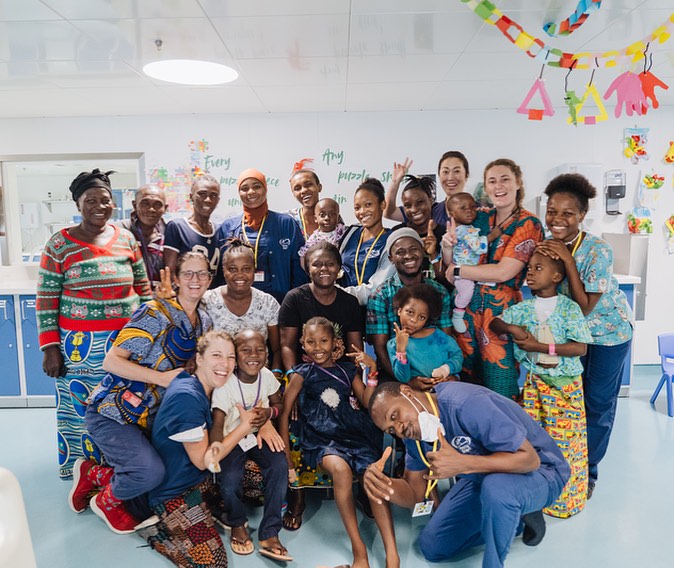
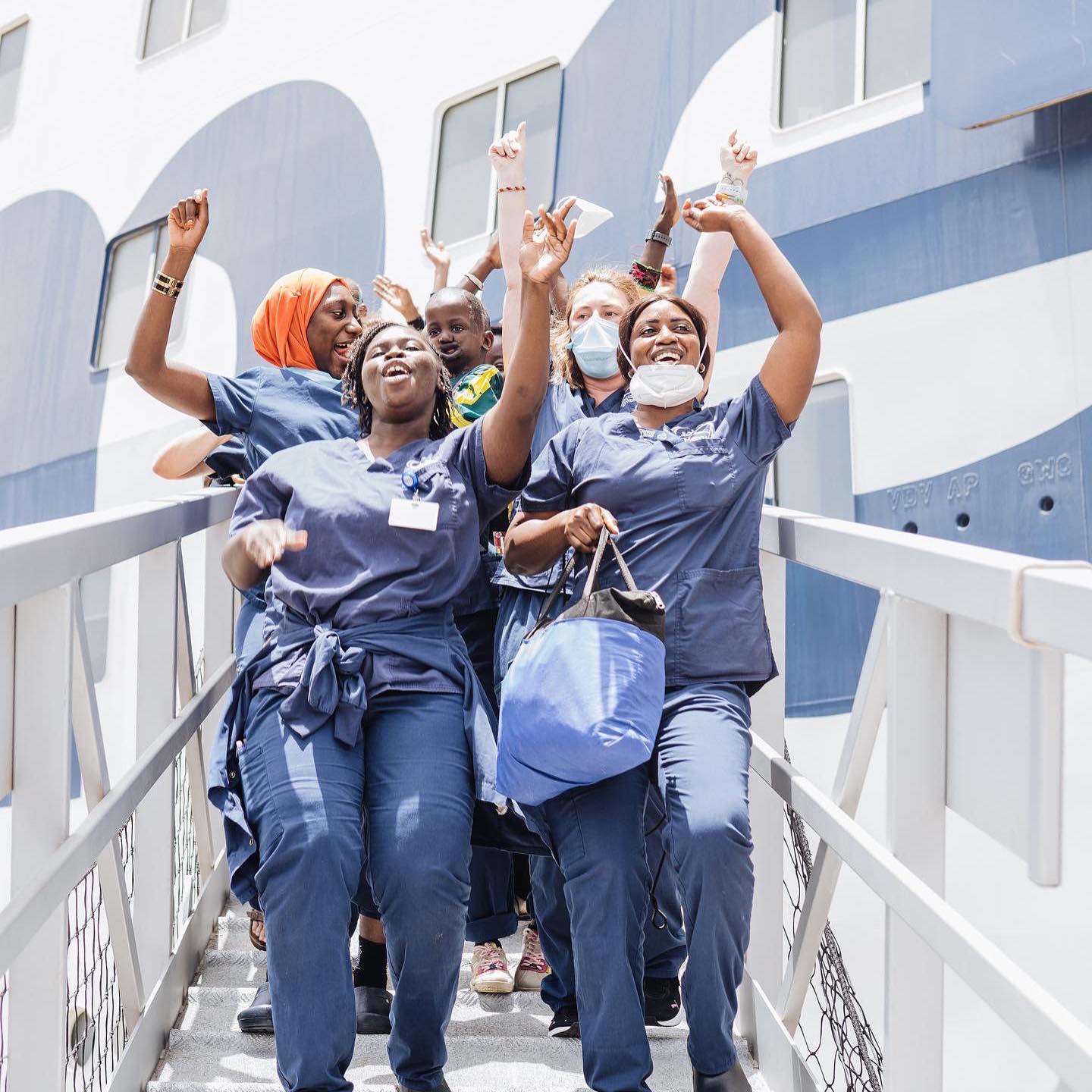
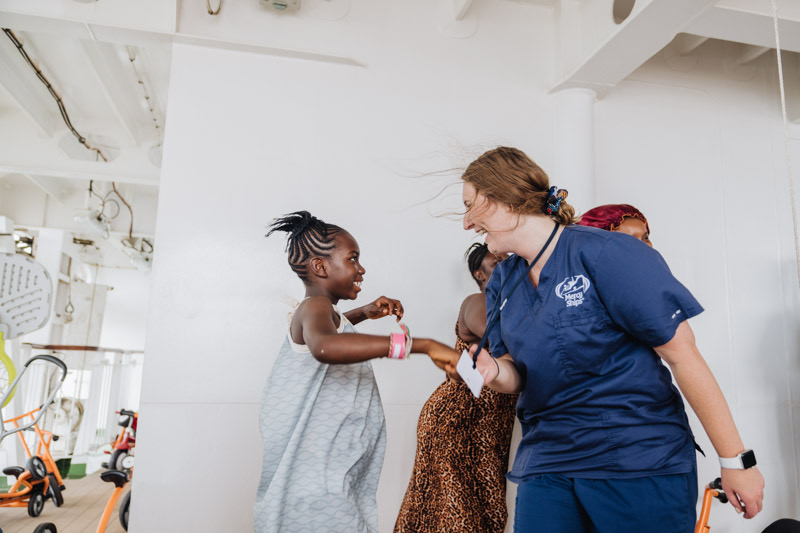
    The hum of Africana music drifts through the air, a rhythmic melody that seems to pulse with the very heartbeat of the ship. It fills every corner of the ward, blending seamlessly with the laughter, the clapping, the joyful shouts of patients and caregivers alike. Their voices rise above the beeping monitors and the rustle of nurses moving through the room, a harmony of hope, resilience, and celebration.

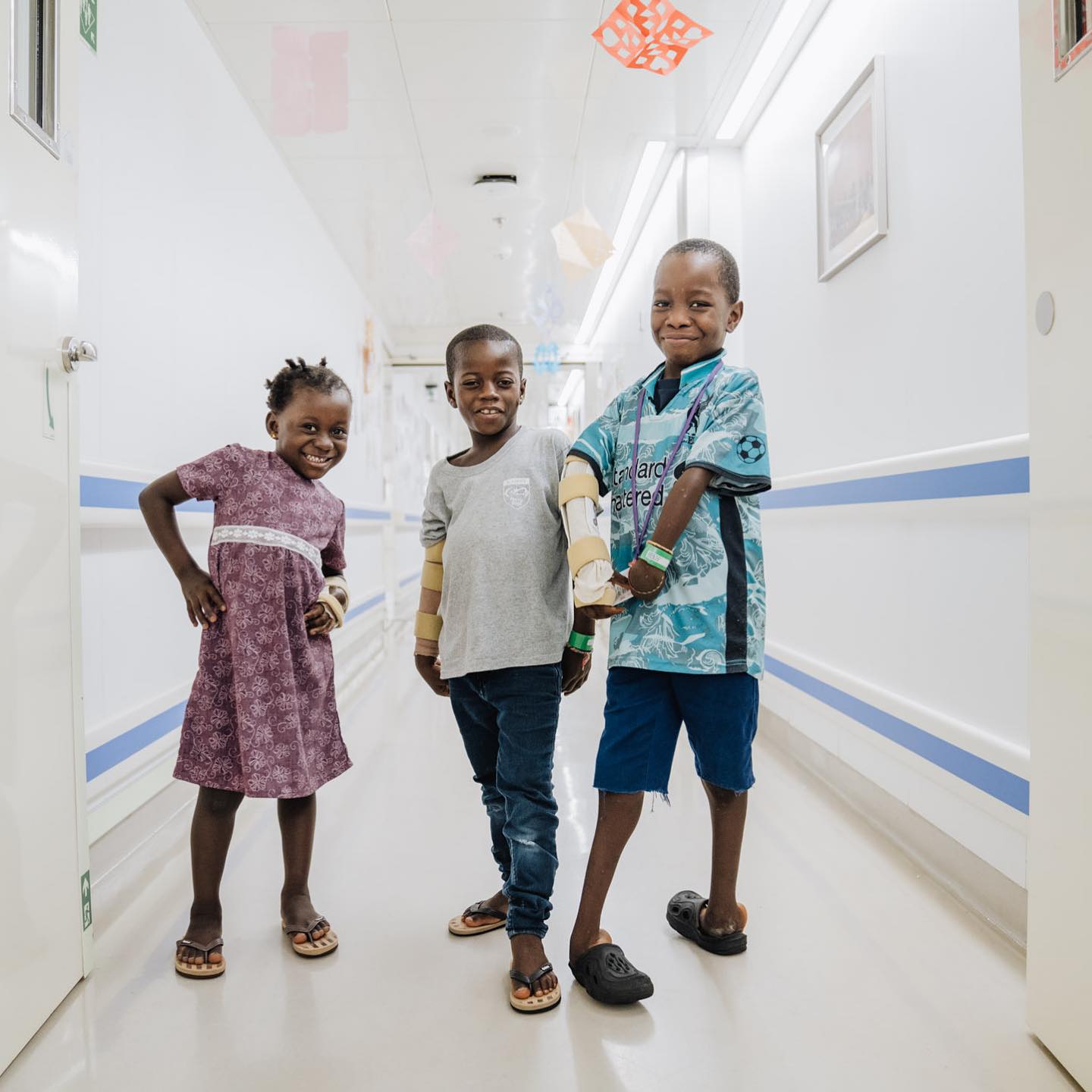
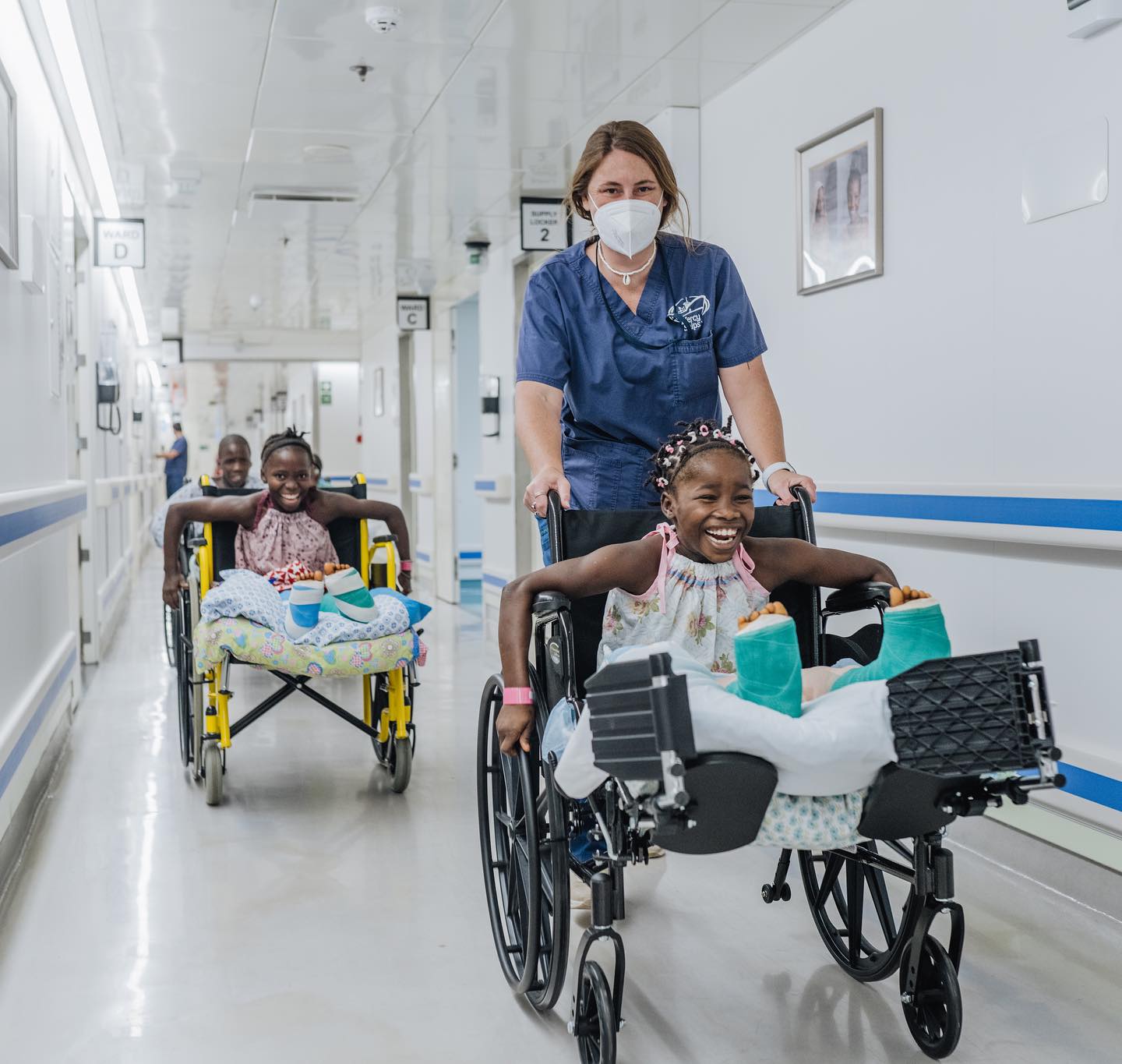
    Patients are dancing, singing, and laughing, their joy spilling over like sunlight after a long storm. Their energy defies the usual image of a hospital, there are no hushed whispers of sickness, no sterile silence, no weight of despair hanging in the air. Instead, there is life. There is movement. There is joy, in its purest form.

    I stand in the middle of it all, watching, smiling, taking it in, because nursing on The Global Mercy is like nothing I have ever experienced before.

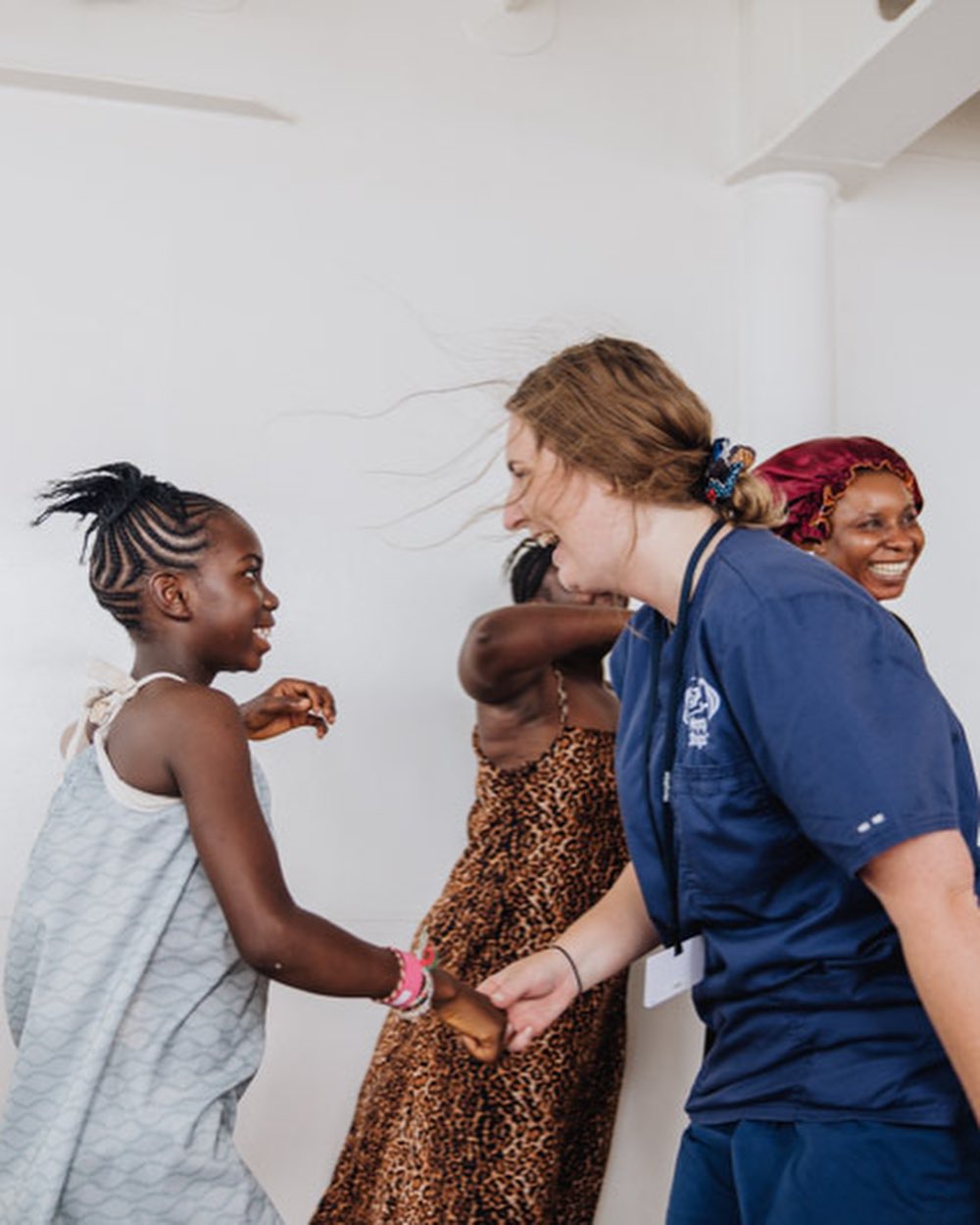
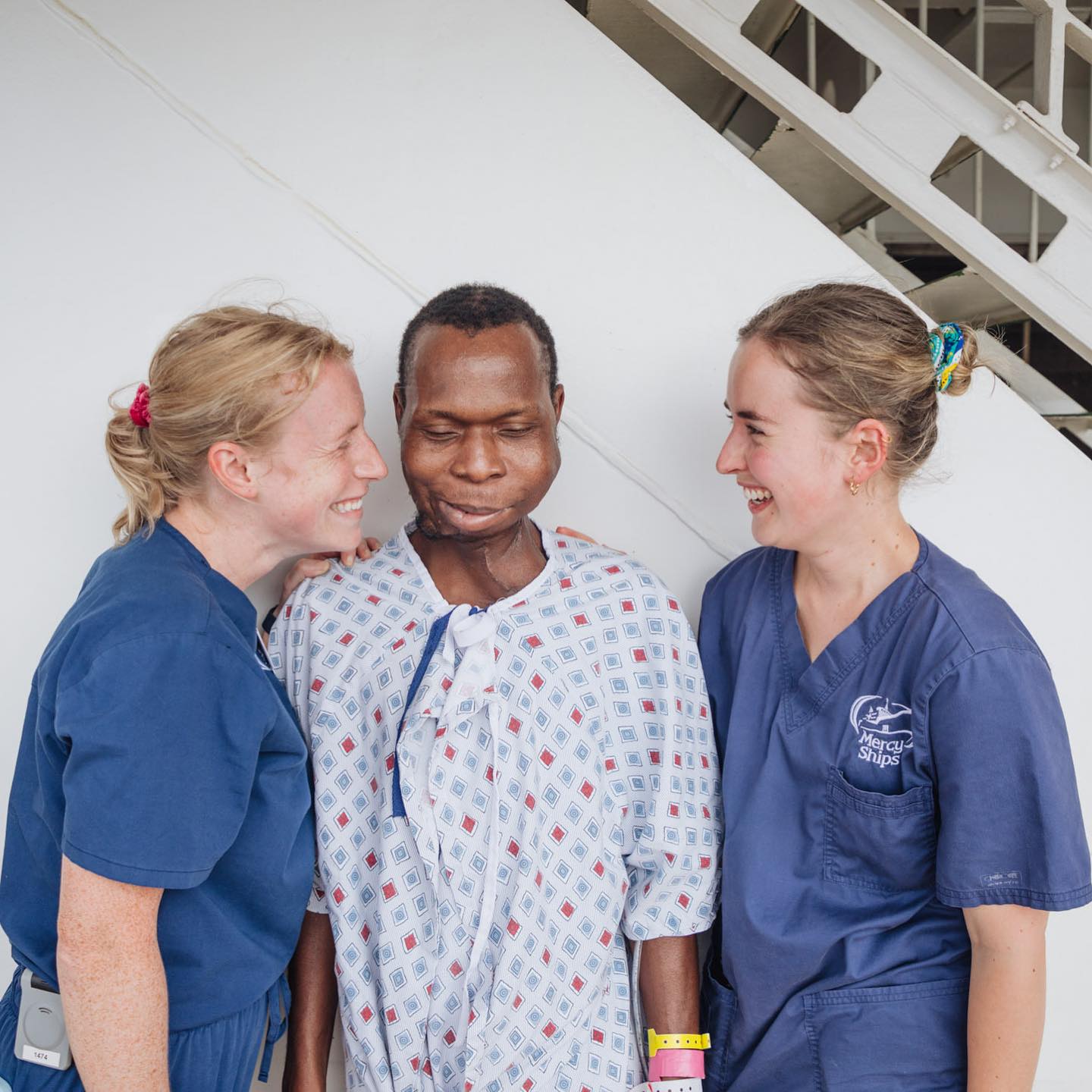
    Here, healing is not just found in IV drips and sutures, in medication rounds and post-op care. It is found in veranda time with patients, where we sit in the warm embrace of the African sun, swapping stories and watching the ocean stretch endlessly beyond the ship’s railing. It is found in dance parties in the ward, where patients who once arrived weighed down by suffering now twirl with uncontained joy, their hands reaching toward the sky, their feet moving in rhythms passed down through generations.

    Healing is found in spirited games of Uno and Connect Four, where competition is fierce and laughter is louder than any medical alarm. It’s in the conversations that unfold naturally between shifts, with patients, with caregivers, with the local day crew, each story a glimpse into the beautiful, complicated, resilient lives lived in Sierra Leone.

    It is in the friendships formed among nurses, the ones that feel like family by the end of it all. We bond over the long shifts, the unexpected challenges, the moments that leave us breathless with laughter, and the ones that bring us to tears. We share the weight of this work, the heartbreak, the triumph, the exhaustion, and the overwhelming beauty of what it means to serve here, in this sacred space, on this floating hospital of hope.

    This is not just another hospital. This is not just another shift. This is a calling. A privilege. A front-row seat to hope being restored, to lives being changed, to miracles unfolding in real-time.

    Imagine a hospital where nurses only stay for a couple of months. An operating room where the surgeons change every week. A surgical team made up of nurses and doctors from six different countries. A ward filled with volunteer nurses, each speaking a different language, each with a different scope of practice. Patients who speak at least five different dialects, their voices carrying the weight of stories untold. You would think I was crazy. You would say, “No way. That could never work.” And yet, it does. It works in a way that no other hospital I have ever worked in does.

    Why? How? Because we are all volunteers. We are not here for money, or promotions, or because we have to be. We are here because we want to be. Every single person I have worked with, from the surgeons to the nurses to the cleaning staff, has been overflowing with kindness, love, and compassion. The teamwork here is unlike anything I have ever experienced. Despite our different languages, our different countries, our different ways of doing things, we come together with one mission, one purpose: to bring hope and healing. And that kind of unity? That kind of selfless care? It changes everything.

    But if I could tell you about the heart of Mercy Ships, I wouldn’t start with the nurses, or the surgeons, or even the ship itself. I would tell you about the patients. I can’t explain to you what it’s like to work with them, their stories, both heartbreaking and inspiring, their courage in the face of unimaginable suffering. They travel from faraway villages carrying nothing but hope. They come with conditions that should have been treated long ago, conditions that in other parts of the world would have been caught in infancy, fixed before they ever became life-altering. They come with massive tumors, ones that have grown so large they have overtaken their faces, making them unrecognizable even to themselves. They come with twisted limbs, their bones bent in ways that have made walking impossible. They come with scars from burns, skin fused together in painful reminders of accidents that could not be treated in time.

    And yet, they come. They come despite the whispered fears in their villages, fears that tell that they might leave worse than when they arrived. They come because hope is a force greater than fear. And when they step aboard this ship, when they are greeted not just with medicine, but with love, something shifts.

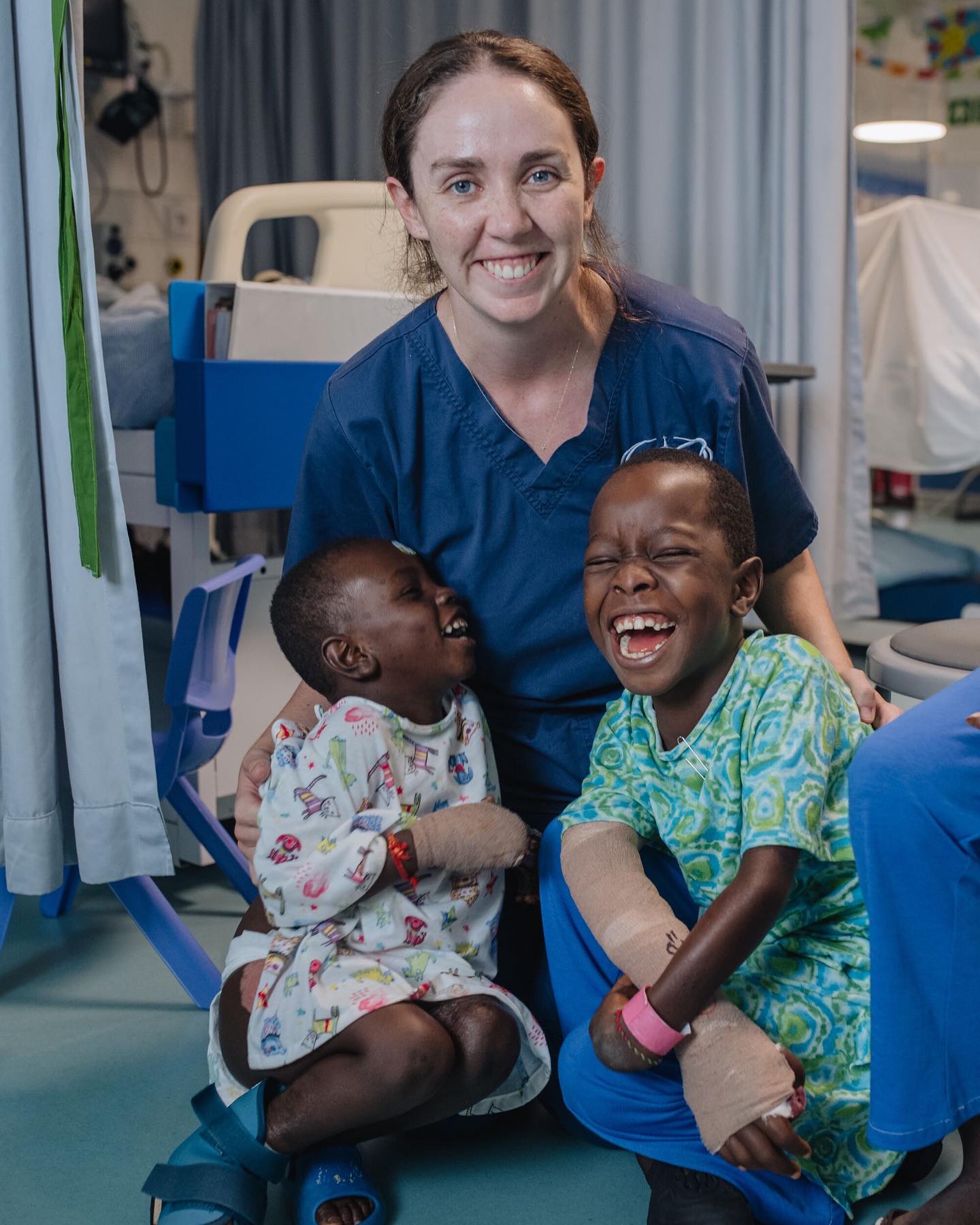
    I have watched transformations unfold that cannot be put into words. I have watched once-guarded faces soften into smiles. I have watched hunched shoulders straighten with newfound confidence. I have watched eyes that once held only uncertainty now shine with hope. Because healing here goes far beyond the physical.

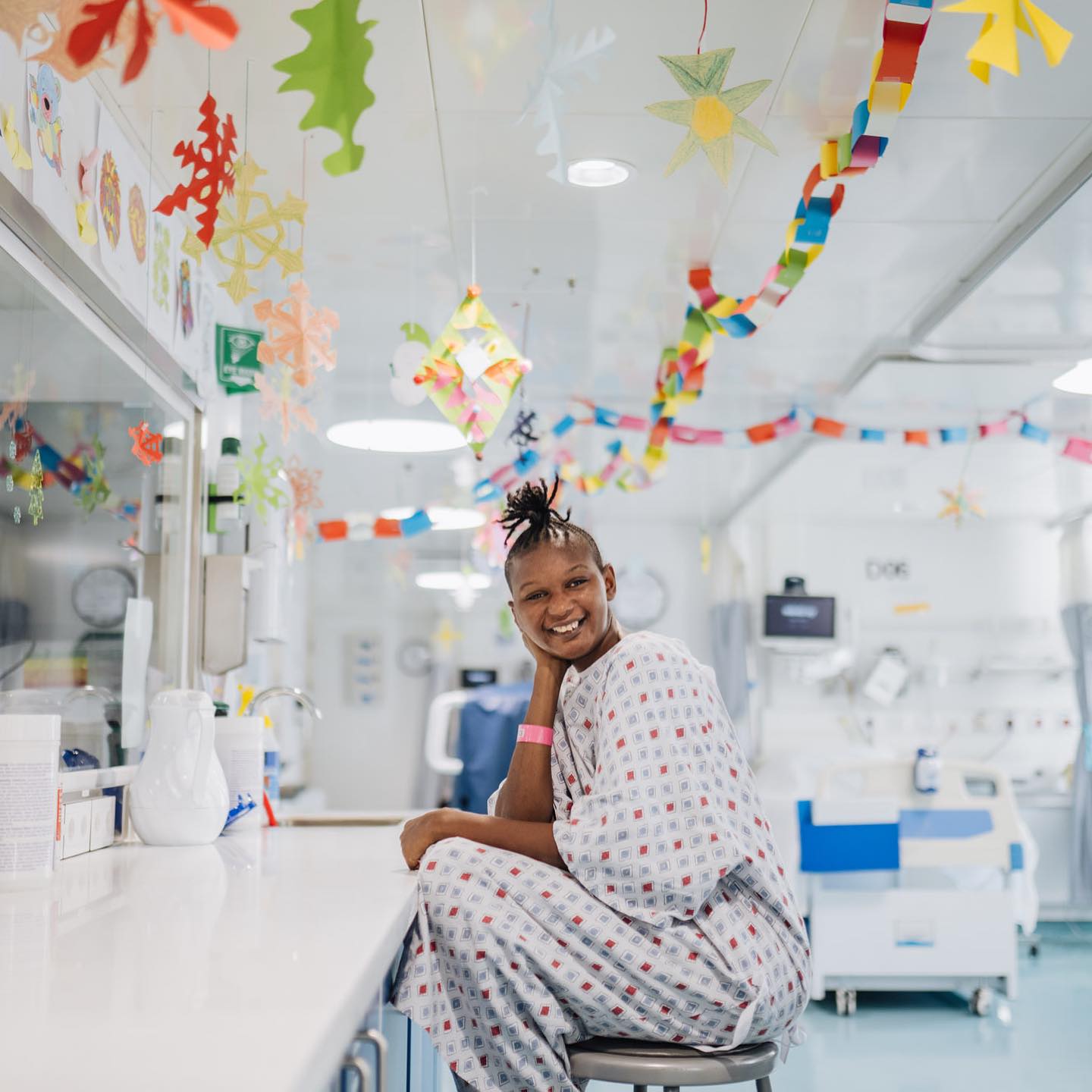
    Yes, we remove tumors. Yes, we straighten bones. Yes, we treat scars. But the real healing, the one that leaves me speechless, is the healing of the heart, the spirit, the dignity of the people we serve. I have held the hands of patients who have been shunned by their communities, only to see those same people welcomed back home after surgery. I have heard the laughter of a child who had never walked on straight legs before take their first steps. I have wept as a young woman, once afraid to even meet my eyes, looked at herself in a mirror for the first time in years, and smiled.

    This is not just nursing. This is a life-changing, soul-shaping, faith-deepening kind of nursing. The kind that reminds you why you started. The kind that breaks your heart and rebuilds it stronger. The kind that teaches you that healing is so much more than medicine.

    So if you read this and feel a calling in your heart, a desire to try a different kind of nursing take a leap of faith and come volunteer with me onboard Mercy Ships.

  • Coming Back to the Ship

    Coming back to the ship felt like returning home, though finding the right words to capture that feeling seems almost impossible. It wasn’t just familiarity, it was something deeper, something that reached into the core of who I was. A comfort I had never known before, as if I had finally stepped into a space that had been waiting for me. It wasn’t the walls of the ship or the people aboard that created this feeling, though they played their part. It was something unshakable, an inner certainty, a sense of belonging that I had spent my whole life searching for without even realizing it.

    Every step I had taken, every detour, every heartbreak, every moment that had left me feeling lost, somehow, impossibly, they had all led me here. To this moment. To this place. It should have felt foreign, like stepping into someone else’s life, but instead, it was as if I had been walking toward this all along, even when I thought I was running away.

    And yet, even as that peace settled over me, as sure as the rising tide, I still resisted. A part of me clung to the old narratives, the old fears, the belief that I wasn’t worthy of this kind of belonging. That I was still the same restless soul, too damaged, too undeserving. I had spent years longing for a place to anchor, and now that I had found it, a quiet voice inside whispered: What if this isn’t real? What if it doesn’t last?

    The ship welcomed me without question. The people, the purpose, the pull of something greater than myself, it was all there, waiting for me to embrace it. The Christian community onboard once again wrapped around me like a warm embrace, their faith not just spoken but lived, woven into their laughter, their kindness, their unwavering belief in something greater. It was undeniable, an undercurrent running through every conversation, every shared meal, every moment of service. I had managed to keep God at arm’s length while I was traveling, convincing myself that I could carve out my own path, that I could admire faith from a distance without ever fully surrendering to it. I had told myself I was free, unbound by expectation, and yet I had spent so much of that time feeling unanchored, as if I were constantly searching for something I couldn’t name. But here, back on the ship, there was no escaping Him. His presence wove itself into the prayers whispered in the quiet of the morning, in the voices raised in worship. He was in the hands that reached out to serve, in the stillness of reflection when the world seemed to pause. I felt Him pressing into the spaces I had kept closed off, gently unravelling the walls I had built.

    I was once again only supposed to stay for three months, a brief return before I set off again, but something deep within me stirred. It was more than a passing thought, more than the simple comfort of routine or familiarity. It was a whisper, soft but insistent, that maybe this wasn’t temporary. Maybe I wasn’t just here to revisit old memories or reconnect with familiar faces. Maybe I was being drawn back for something bigger than myself, something I had spent my whole life unknowingly resisting. I had spent so long running, searching, longing. But what if the journey had always been leading me here? What if, after all the detours, all the moments of doubt, I was finally standing in the place where I was meant to surrender? Maybe, just maybe, God had brought me back so I could stop looking for Him and finally, truly, know Him.

    Still, I resisted. Even as I felt the pull of something greater than myself, even as I caught glimpses of the peace I had been unknowingly searching for, I held back. My heart had been locked away for so long, reinforced by walls of fear and shame, each brick laid by past mistakes, disappointments, and wounds that never fully healed. To open it now,to let faith seep in, to allow myself to believe, felt dangerous. It was easier to keep it guarded, to convince myself that I could stand at the edge of faith without ever fully stepping in. Because it wasn’t just about believing. It was about surrender. And surrender meant change. It meant facing every truth I had buried, every painful memory I had pushed aside. It meant admitting that the way I had lived my life, chasing things that never fulfilled me, clinging to relationships that broke me, trying to outrun my own emptiness, was sinful. And more than that, it meant facing the pain of my past, the wounds I had carried like invisible scars, the voices that had whispered lies for so long that they had begun to sound like truth.

    The deepest of them all: You don’t deserve to be loved.

    That belief had wrapped itself around my soul like ivy, twisting, tightening, suffocating any hope that I could ever be forgiven. It wasn’t just a passing thought, it had shaped my choices, my relationships, the way I saw myself. I had spent years running from love, rejecting it before it could reject me, convinced that I was beyond redemption. How could I suddenly believe that God, this all-knowing, all-seeing Creator, would want someone like me? And yet, despite every excuse I made, despite every wall I tried to rebuild, I could feel something shifting. A quiet, relentless knocking at the door of my heart, asking me to let go. Asking me to believe that love, real, unconditional love, was not something I had to earn. It was something that had been waiting for me all along. But was I brave enough to open the door?

    And then about a month into being back on the ship, I attended a Sunday service. I don’t remember who was preaching, whether it was a man or a woman, whether their voice was soft or commanding. But I remember the words. Not in the way you remember sentences or speeches, but in the way you remember moments that change you. The message hit me like waves crashing against the shore, relentless and undeniable, breaking through the walls I had spent years fortifying. They spoke about being part of God’s family, about being loved, about being forgiven. Simple words. Familiar words. Words I had heard before but never truly let in. I had always kept them at a safe distance, nodding along while secretly believing they weren’t meant for me. But this time, something shifted.

    Something inside me cracked open.

    It wasn’t a sudden, dramatic moment, not like lightning from the sky or an earth-shattering realization. It was quieter than that, deeper. It was as if the truth had finally slipped past my defences, settling into the places I had tried so hard to keep hidden. For the first time, I actually listened. I didn’t just hear the words, I felt them. A warmth spread through my body, not like a fleeting emotion, but like something steady, something real. It was as if a voice beyond my own, gentle, patient, unyielding, was speaking straight into my soul. You are loved. You belong. You are forgiven. I had spent so much of my life convincing myself otherwise, believing that love had to be earned, that belonging was conditional, that forgiveness was for people less broken than me. But in that moment, those lies lost their grip. I didn’t know what came next. I didn’t know how to let go of the past, how to unlearn the shame I had carried for so long. But I knew this: for the first time in my life, I believed that maybe, just maybe, God’s love was meant for me too. 

    That night during worship, Goodness of God played, and as the lyrics filled the room, they filled something inside me too, something hollow, something I hadn’t even realized was empty until that very moment. The first few notes washed over me, and before I could stop it, the dam inside me broke. I started crying, no, sobbing. Big, ugly, uncontrollable sobs that racked my entire body. Tears poured from a place so deep within me that I hadn’t even known it existed, a place that had been locked away for years. I wasn’t just crying over a song. I was weeping over every lie I had ever believed about myself, every wound I had ignored, every moment I had spent running from the truth.

    Because in that moment, I knew.

    Knew that I had been wrong, so terribly wrong, about everything I had ever believed about myself and the world. Every whispered voice that told me I wasn’t enough, that I was unworthy, that I was beyond redemption none of it was true. I knew that God was real, that He had always been real, and that He had been pursuing me all along, even when I had refused to see it. Even when I had turned away, when I had chosen my own way, when I had convinced myself, I didn’t need Him, He had never let me go. And He loved me. Despite everything.

    It was terrifying.

    Terrifying to realize that the life I had been living was not the life I was meant for. That every excuse I had made, ever decision I had made that hurt me, every reason I had given myself to resist, had been nothing more than fear. Fear of change. Fear of surrender. Fear that I wasn’t enough. But in the same breath, it was freeing. Because I knew I couldn’t pretend anymore. I couldn’t keep up the facade that I was fine, that I was happy, that I had everything under control. The truth was right in front of me, and for the first time, I wasn’t running from it.

    And somehow, even with all the fear, even with all the uncertainty about what would come next, I felt comforted. Because I knew, I knew, I wouldn’t be facing it alone.

    God was there.

    He had always been there.

    A week later, after countless sleepless nights spent staring at the ceiling, after internal battles that felt like they would tear me apart, I reached a breaking point. My mind was a battlefield, arguments waging inside me, logic and fear clawing at my newfound faith, trying to pull me back into the safety of doubt. I tried to talk myself out of believing, convincing myself that this was just a passing phase, that I was caught up in the emotions of the moment, that I could walk away and pretend none of it had ever happened.

    But the truth was relentless. It wouldn’t let me go. And the terror of it, the sheer weight of what it meant to truly surrender, to face my past without running, to let go of the identity I had clung to for so long, almost dragged me back into old patterns. The familiar numbness beckoned. The temptation to bury it all, to push it down, to drown it out with distractions, was strong. But something inside me had shifted. I couldn’t un-know what I now knew. And so, in the quiet of my room, with no one watching, no script to follow, no idea if I was even doing it “right,” I did something I had never done before.

    I prayed.

    It wasn’t eloquent. It wasn’t poetic. It wasn’t the kind of prayer I had heard others say with such certainty. It was raw. Messy. Desperate. The words stumbled out of me in broken whispers, heavy with exhaustion and longing. I didn’t know what to say, only that I needed to say something. And in that moment, in that messy, unpolished, vulnerable surrender, I found something I had never known before.

    Clarity.

    Not the kind that answers every question or erases every doubt, but the kind that settles deep in your bones, quiet and steady. The kind that tells you, This is real. This is right. You are exactly where you are meant to be.

    A few days later, I walked into my manager’s office, my heart pounding so loudly I could hear it in my ears. A part of me still couldn’t believe what I was about to do, but I knew, I knew, this was the next step. There was no more running, no more resisting. I sat down, took a deep breath, and met her eyes. My hands trembled slightly in my lap, but my resolve was firm. I told her everything. How God had been revealing Himself to me in ways I could no longer deny. How every wall I had built to keep Him at a distance had come crumbling down. How I felt drawn to stay, not just to continue volunteering, not just to be part of a mission bigger than myself, but to truly know Him. To give my life to something greater.

    I had spent so much of my time on the ship thinking it was just another chapter, another experience to add to my story. But this wasn’t about gaining experience anymore. It wasn’t about adventure, or travel, or even service. This was about transformation. About surrender. About stepping into something that had been waiting for me all along.

    As I spoke, my voice trembled, emotion rising to the surface. But I didn’t hold back. I let the words spill out, raw and unfiltered, like a confession and a declaration all at once. And then, as I finished, I saw the tears well up in her eyes. She didn’t say anything at first. She just looked at me, and in that silence, something passed between us, understanding, encouragement, maybe even a kind of shared awe at what was unfolding. And then, just like that, we were both crying. Sitting there together, in the middle of an office that had once felt so separate from matters of the heart and soul, we let the weight of the moment sink in. Because this wasn’t just a decision about staying. That day, I committed to two years on the ship. But more than that, I committed to God. To this new life. To faith.