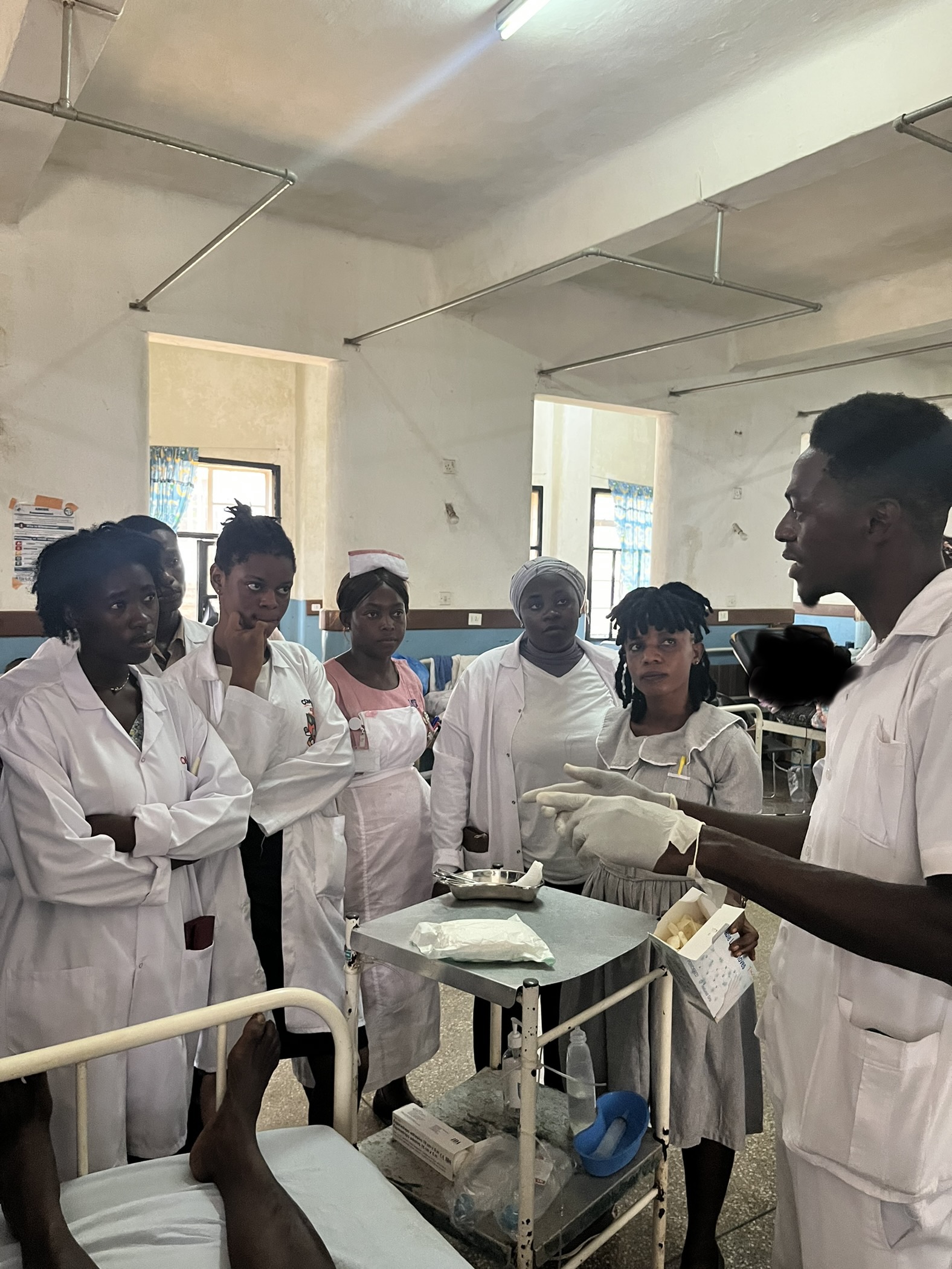
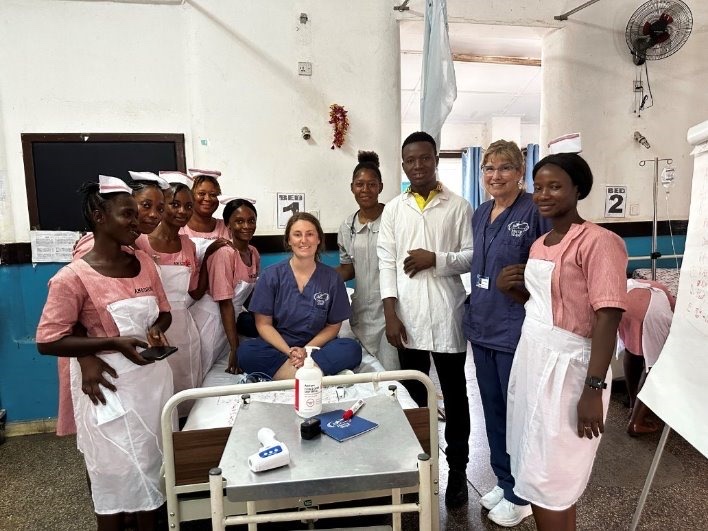
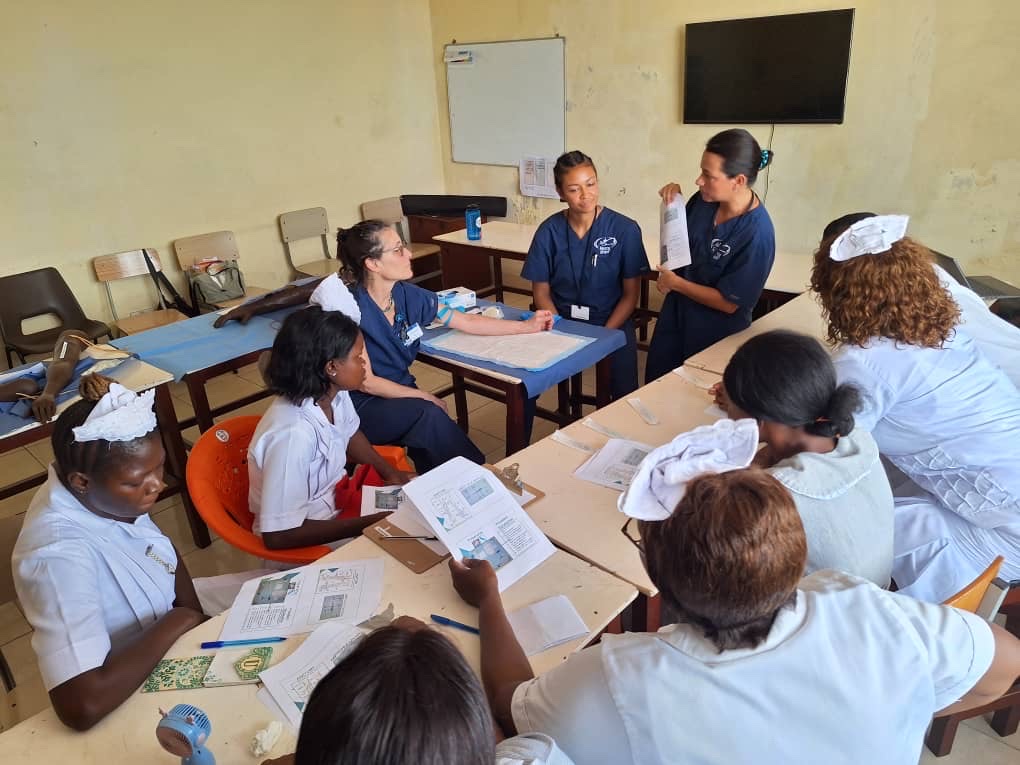
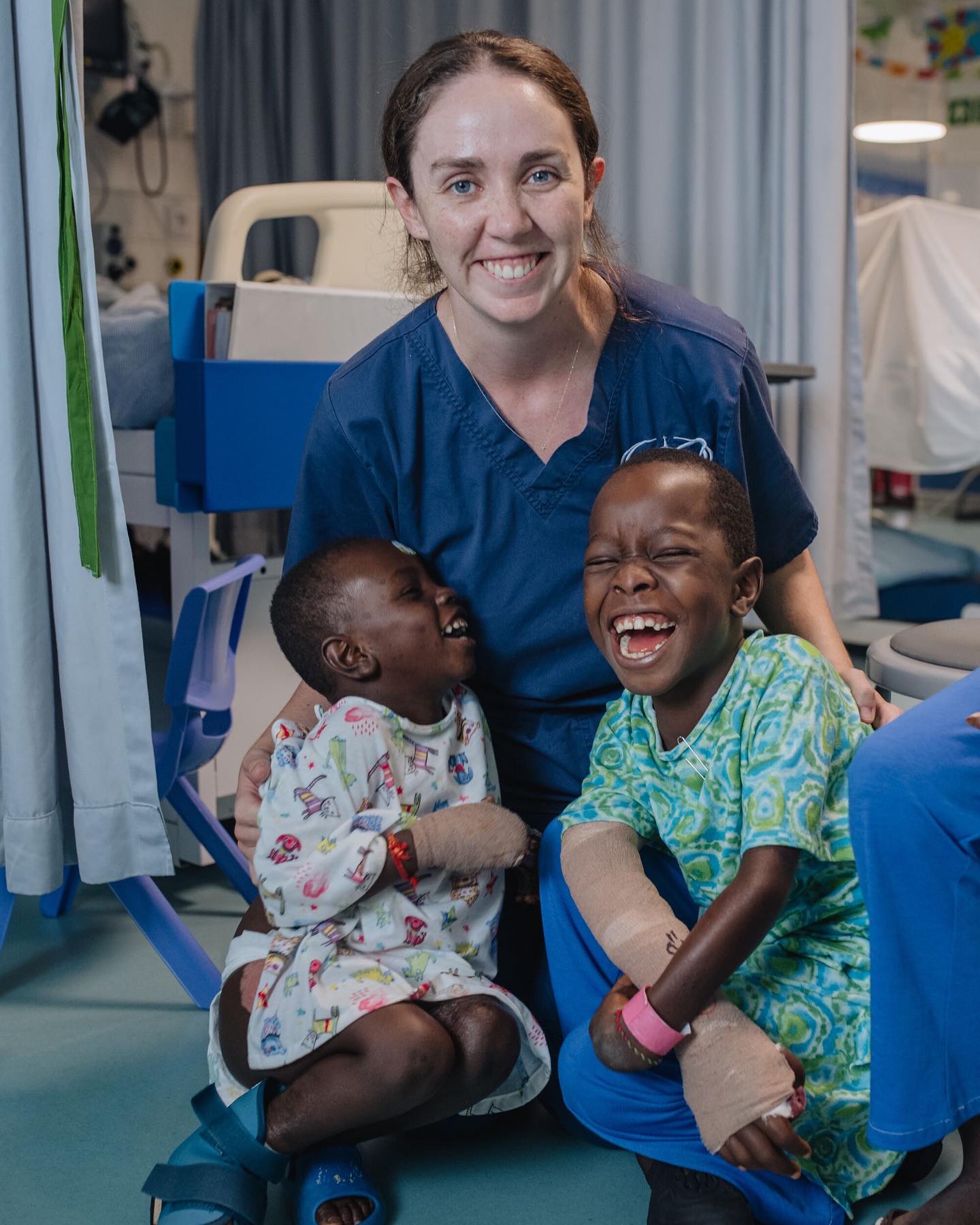
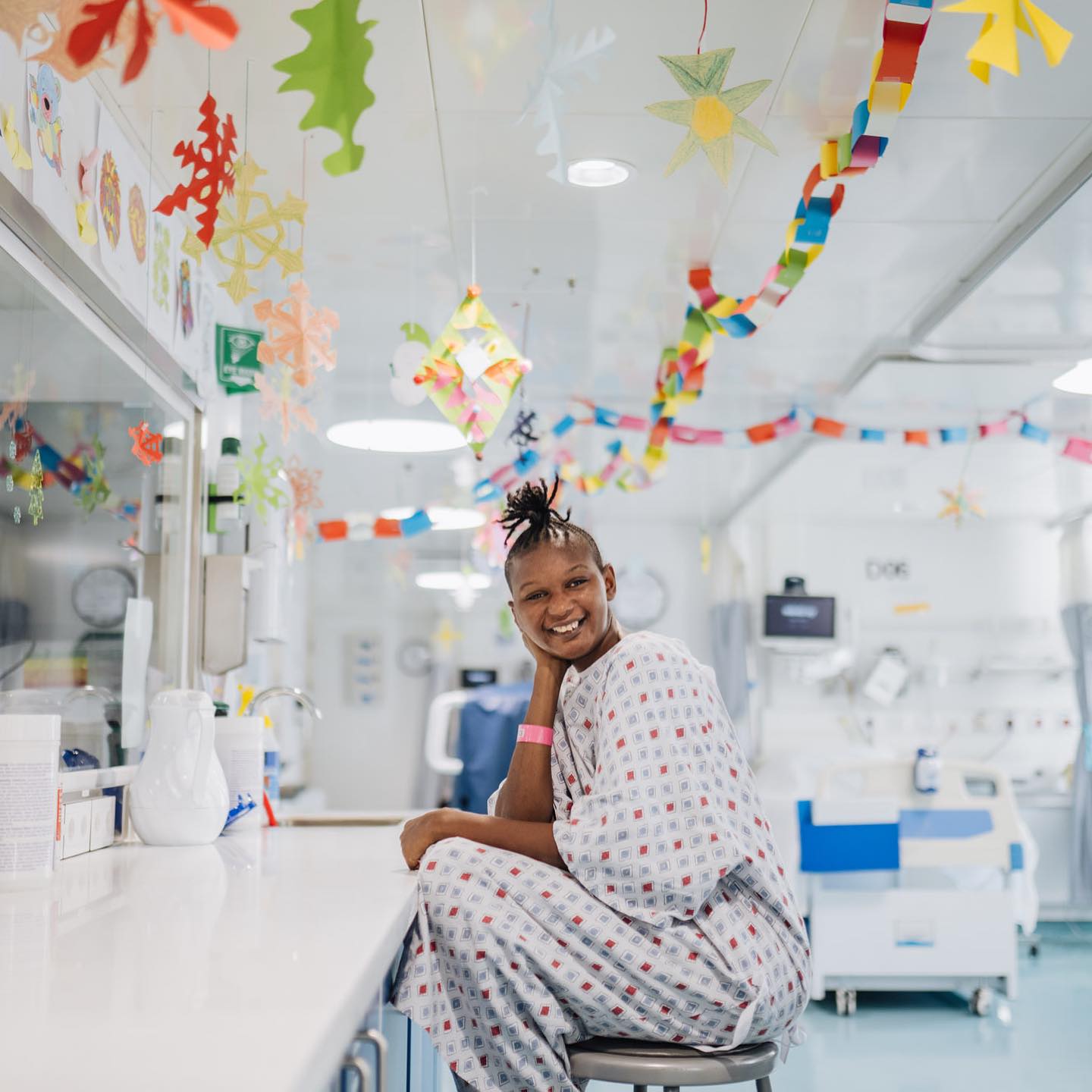
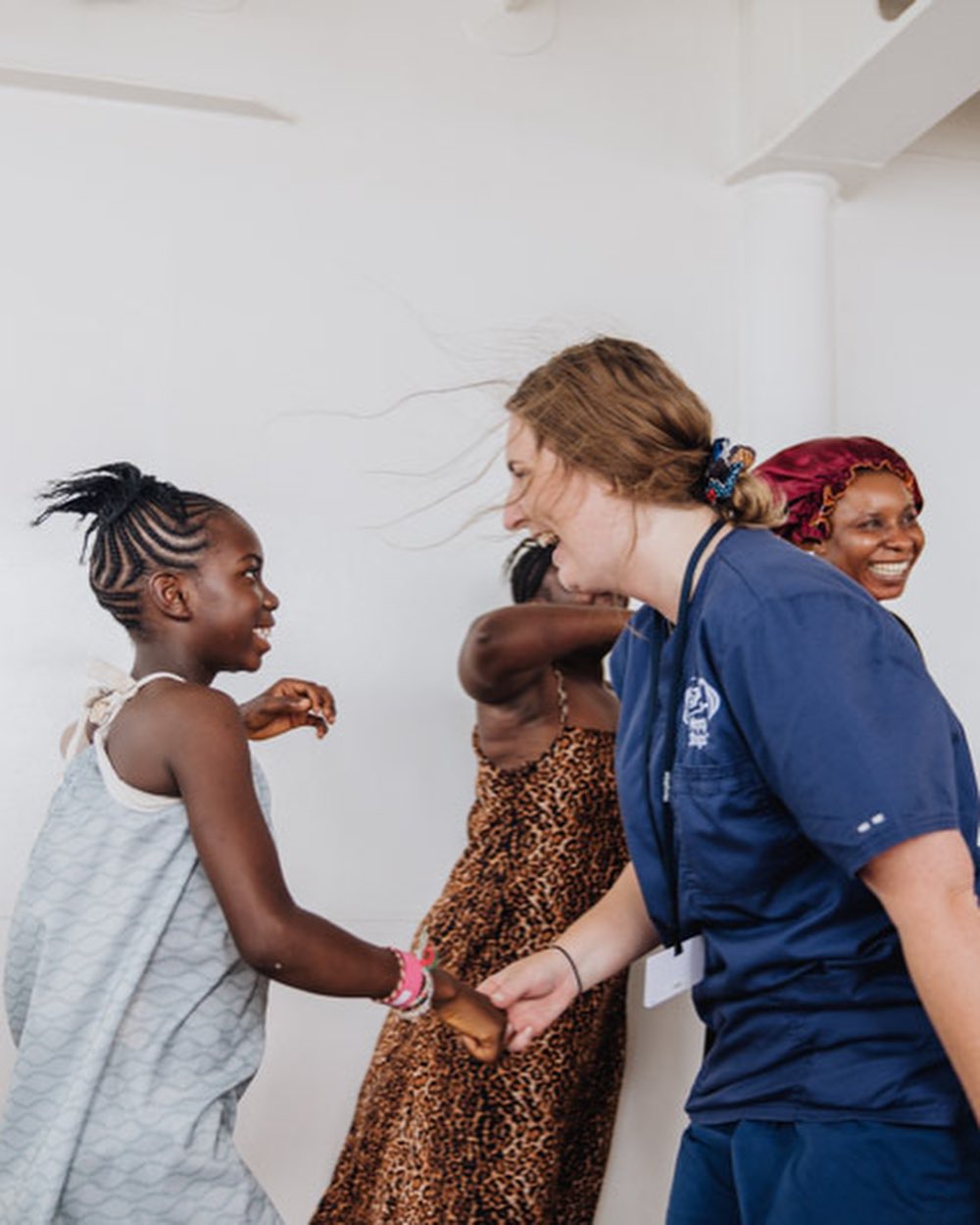
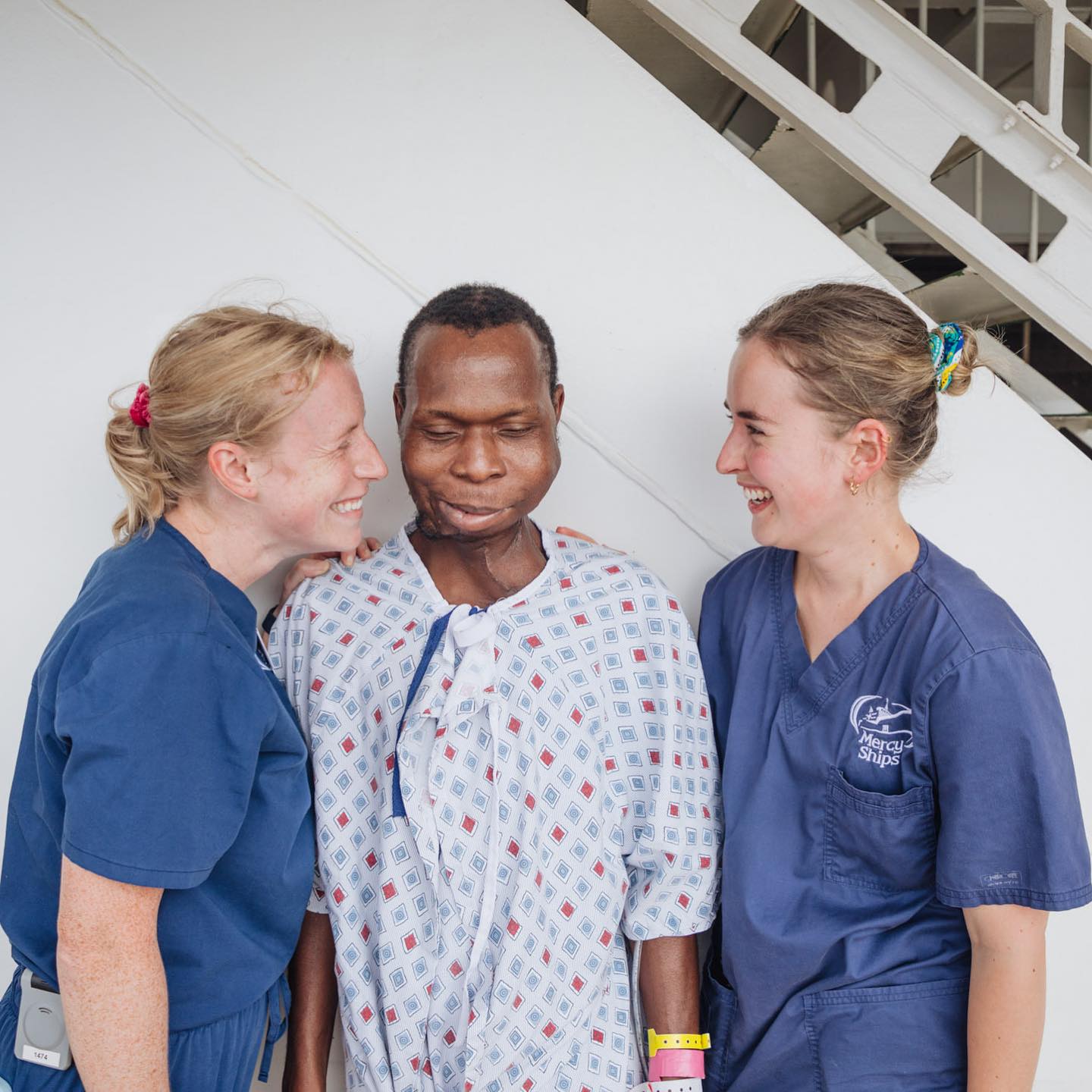
Every day, I find myself trying to hold two truths in tension, joy and sorrow, love and loss, each one vast, vivid, and deeply real. At Connaught, my days are steeped in contrast. I see deep love and deep grief, joy and devastation, celebration and mourning, often all within the same hour. It’s a place where a patient willingly gives up their only medical supplies to help someone else in greater need. Where someone’s mother dies because the medicine she needs is unaffordable. It’s where laughter echoes down a hallway just hours after heartbreak filled the same space.
And somehow, I’ve come to see that these contrasts aren’t separate. They aren’t opposite ends of a scale that I need to balance. They are all part of the same whole. I’m beginning to understand that love and suffering are not two different things, but threads of the same fabric. That joy and sorrow walk hand in hand. That’s something I’m learning deeply through God.

But that doesn’t mean it’s easy. Some days, I come back to the ship with a full heart, bursting with gratitude, for the nurses who tried their hardest, for the patient who pulled through, for the quiet moment of grace in the chaos. And other days, I return hollowed out, angry at the world. Angry at God. I slam my journal shut after scrawling the words, Why God? Why? I ask Him to help me make sense of it all. To show me what good could possibly come from a child dying because they didn’t have a simple antibiotic. I wrestle with the injustice. With the brokenness. With the ache of helplessness.
And yet, even in that questioning, even in the anger and confusion and exhaustion, I’m beginning to know something. I’m learning that God doesn’t ask me to pretend the pain isn’t real. He doesn’t ask me to paste a smile over my grief. He asks me to come to Him with it all. To trust that He is big enough to hold both my joy and my sorrow. Because He feels it too. He feels our joy. And He feels our pain.
In my darkest, most disoriented moments, He is there. When I cry out to Him in anger, He doesn’t turn away, He leans in closer. And when I’m overwhelmed by joy, when I feel love so strong it threatens to split my heart open, I believe He is rejoicing with me.
There is a verse that always finds its way to me, Isaiah 43:2-3:
“When you pass through the waters, I will be with you; and through the rivers, they shall not overwhelm you; when you walk through fire you shall not be burned, and the flame shall not consume you. For I am the Lord your God, the Holy One of Israel, your Savior.”
This is the God I’m learning to trust with all the pieces of my heart, the God who doesn’t promise to shield us from the fire, but who promises to walk through it with us. The God who doesn’t erase pain, but who transforms it into something deeper. More human. More holy.
So I keep walking the line between these emotions; love, pain, joy, suffering, no longer trying to separate them, but allowing them to bleed into one another. Trusting that God is present in all, and that somehow, through Him, they can coexist in grace. Letting the suffering teach me how to love deeper. Letting the joy remind me why it matters. Letting God meet me in both.
Because I’m starting to believe that the most profound transformation doesn’t happen when we escape the hard things, but when we stand in the midst of them and still choose to see beauty, to give thanks, to love wildly.
And in that space, in that sacred, messy, middle ground, I know I am not alone.



 AYLA IN AFRICA