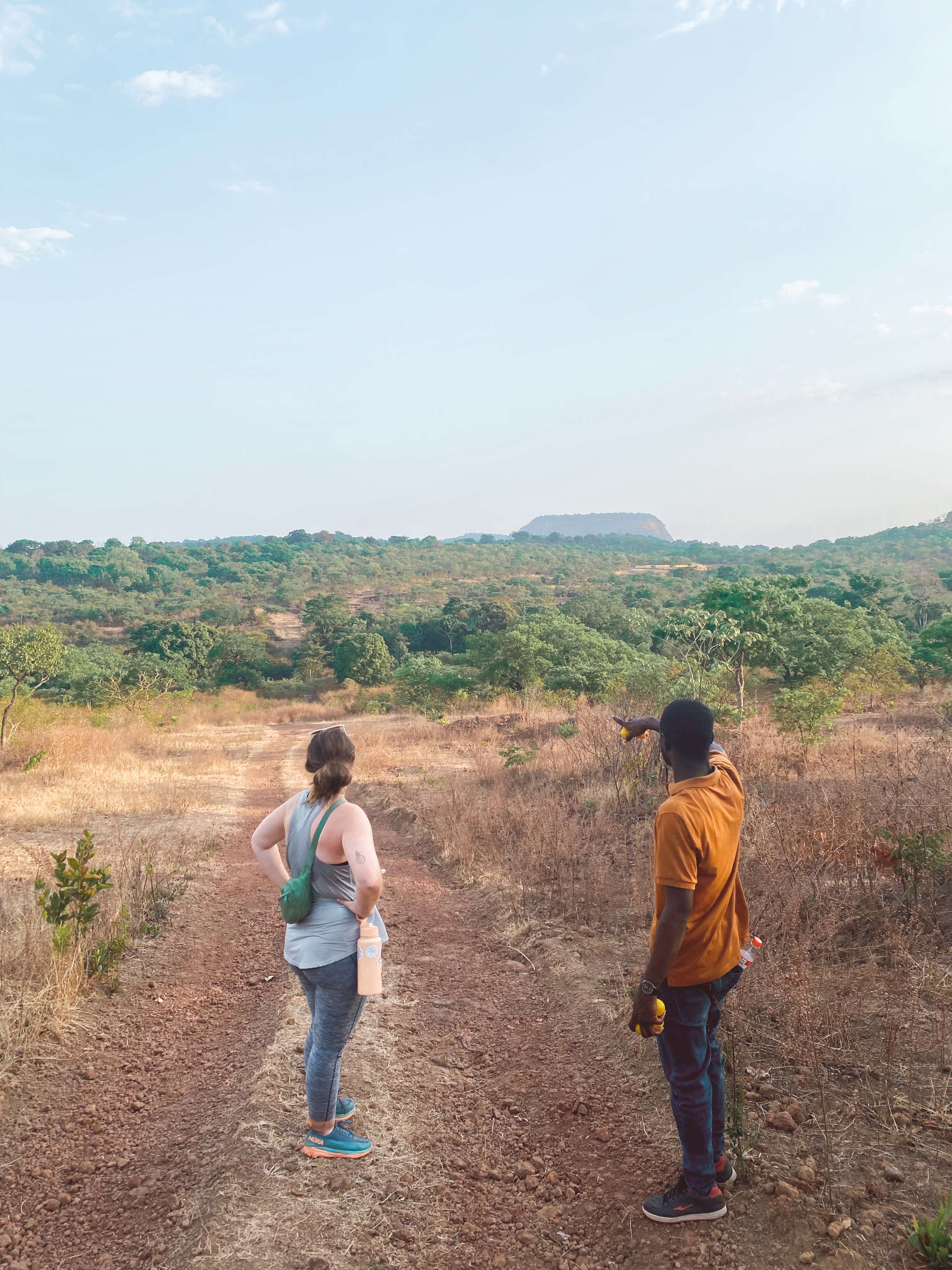
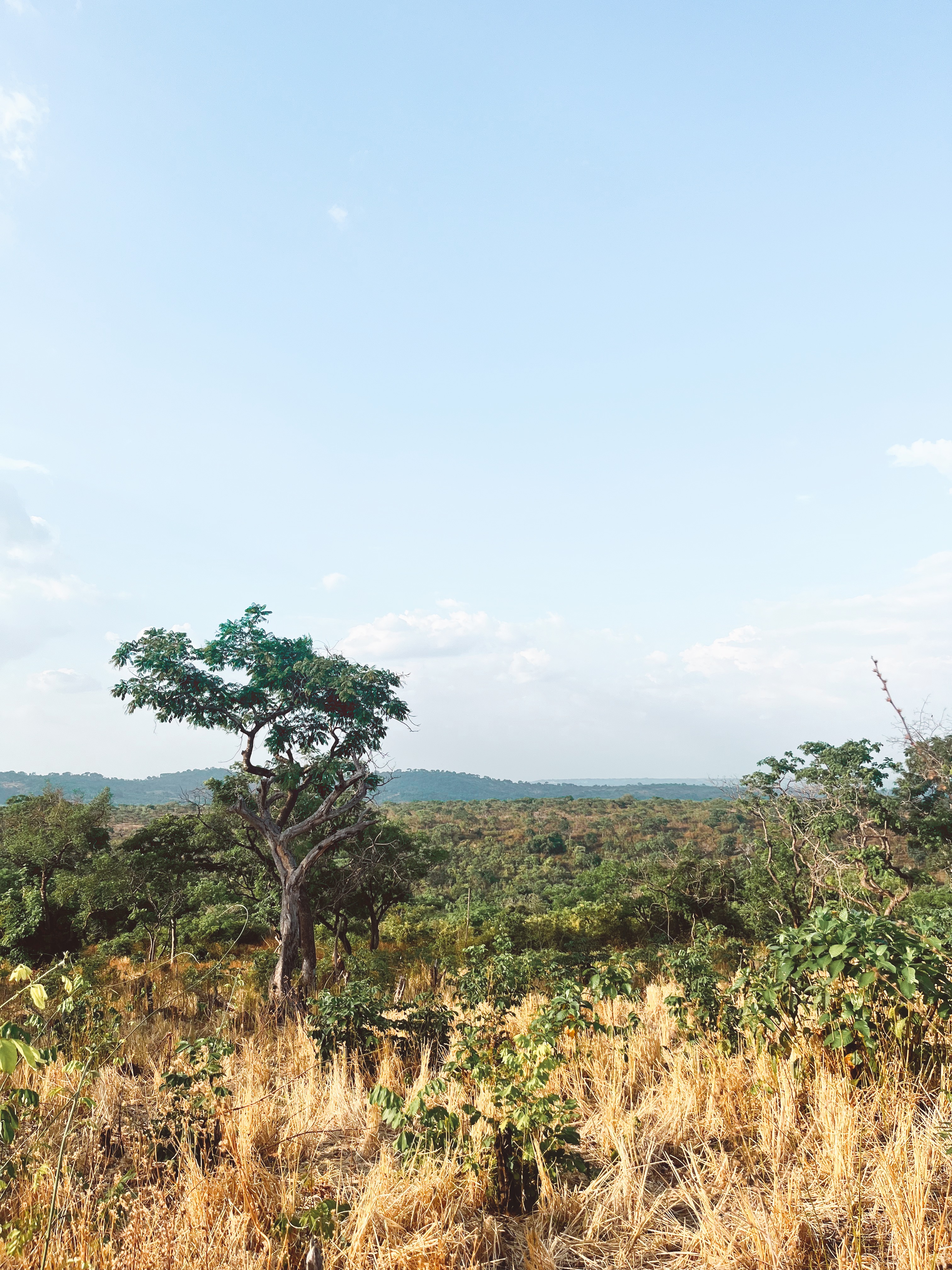
This past week, I had the gift of traveling to Guinea with my friend Audrey. We visited a hospital nestled in a small village near Mamou, about five hours from Conakry. The community there is called Bowalwann, which, fittingly, means rocky, a name that couldn’t have been more appropriate. The landscape was breathtaking, rugged and raw, dotted with towering cliffs and dramatic rock faces.

Guinea, in many ways, reminded me of Sierra Leone. There were the familiar rolling green hills, the same humid air, and the lush, mountainous terrain. But the differences were striking, too. The people in Guinea apart from the fact they spoke french carried a quiet presence, more reserved than those I’ve met in Salone, but still so warm and welcoming. That unmistakable thread of African hospitality was still woven through every interaction, the kind of hospitality that makes you feel at home, even among strangers.
Our connection to the hospital was through Audrey’s church, and although I was genuinely excited about the trip, I went into it thinking it would feel more like work than rest. After all, hospitals are my everyday reality. I expected long days, clinical observations, perhaps moments of reflection, but mostly a professional lens. I couldn’t have been more wrong.
This past week turned out to be exactly what I didn’t know I needed.
The hospital visit itself was insightful, it’s always valuable to see how other countries structure their healthcare systems, how teams operate under pressure, and what strategies they use to work with limited resources. I came with a curious heart, open to learning, and I found that they were facing so many of the same challenges we see in Freetown: resource scarcity, gaps in training, and deeply ingrained cultural dynamics around nursing and healthcare. There was something comforting in that shared struggle. It reminded me that we’re not alone in this work, others are fighting the same good fight, each in their own corner of the world.
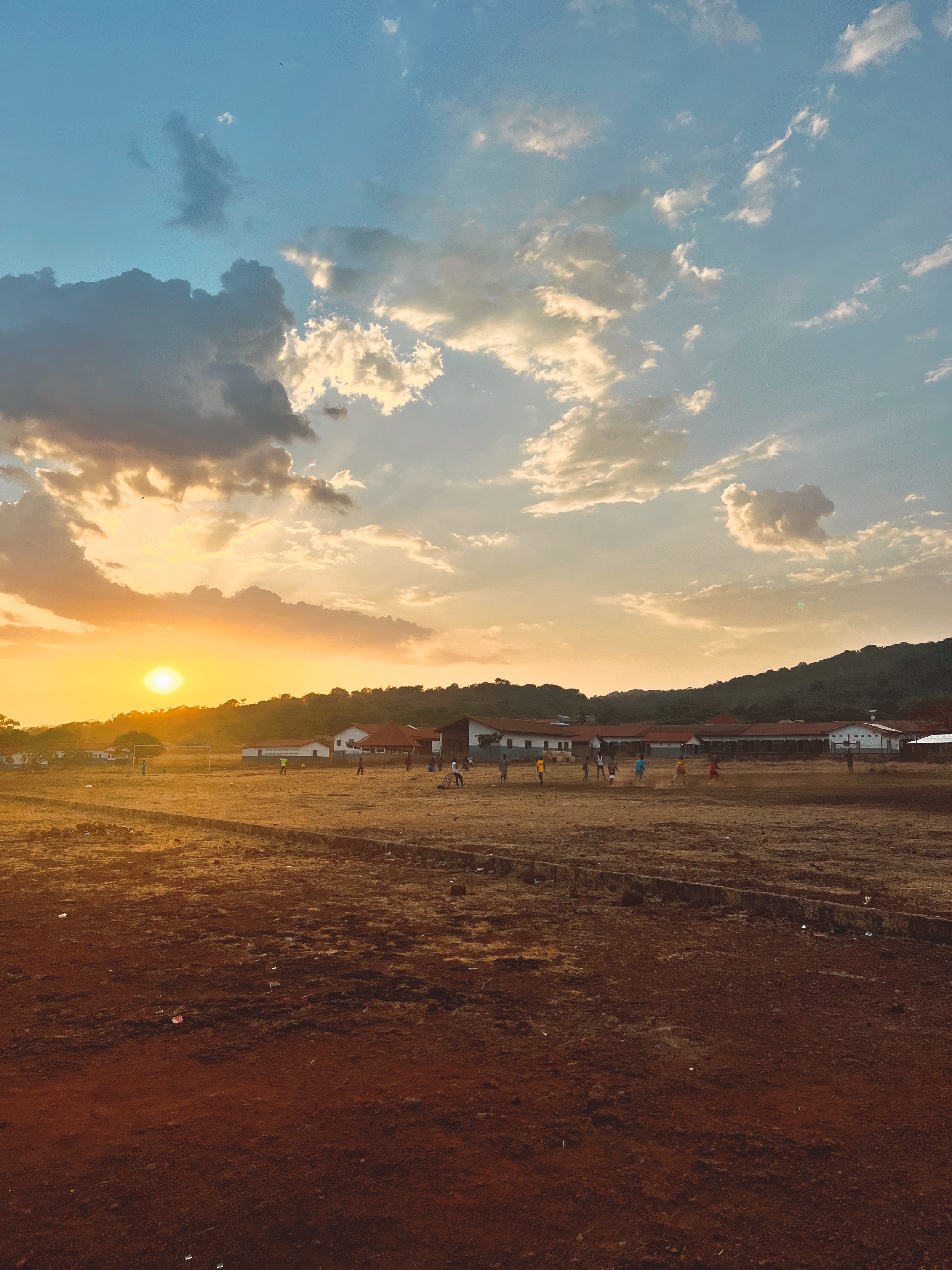
But what really marked the week wasn’t the hospital, it was the quiet. The village was completely remote. Nothing around for miles. No honking horns, no street vendors, no chaos. Just stillness. The kind of stillness that at first feels strange, even uncomfortable, but then wraps itself around you like a blanket. That quiet was such a contrast to the buzz of Freetown, and it allowed space, for rest, for thought, and for God.
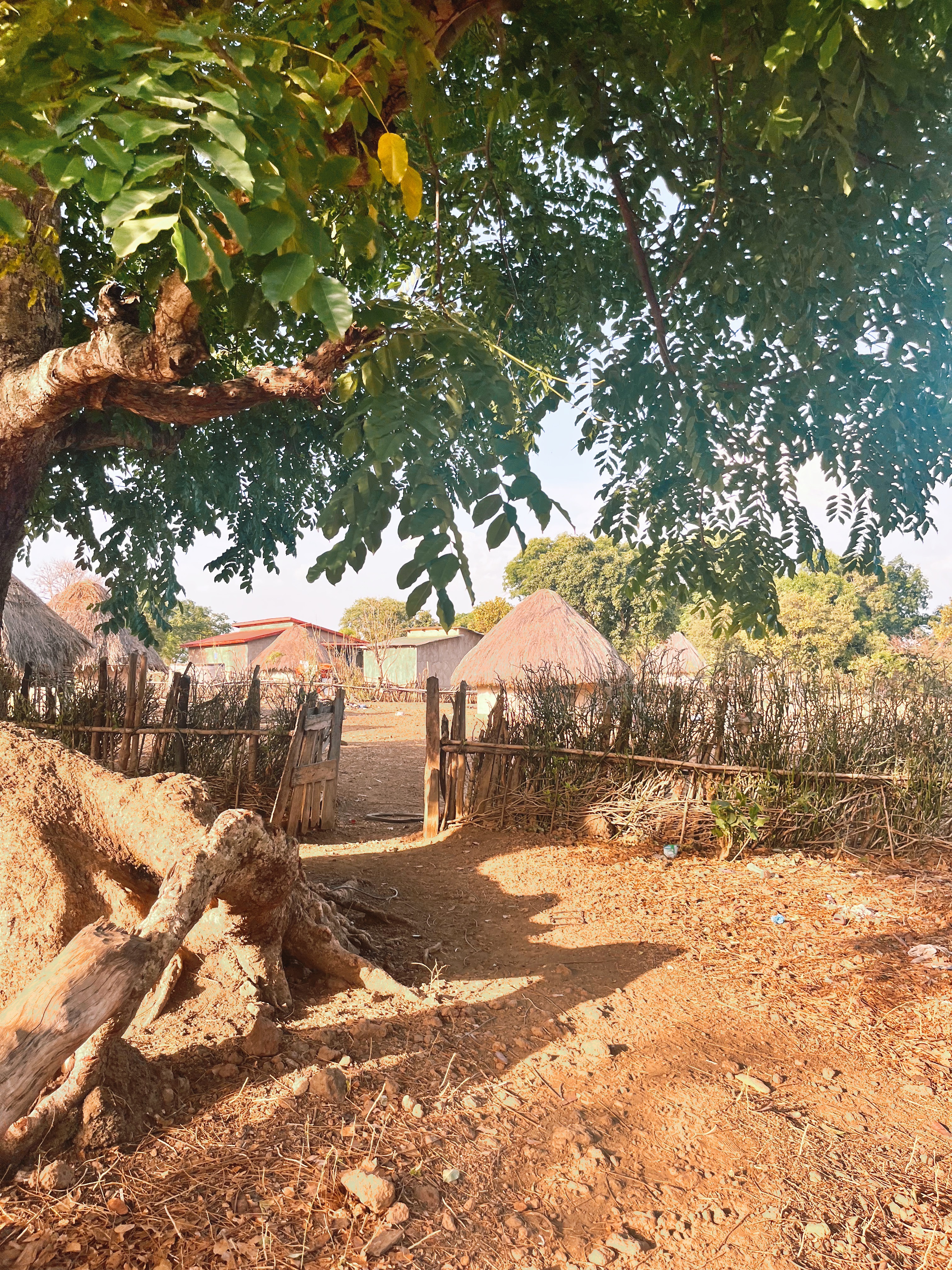
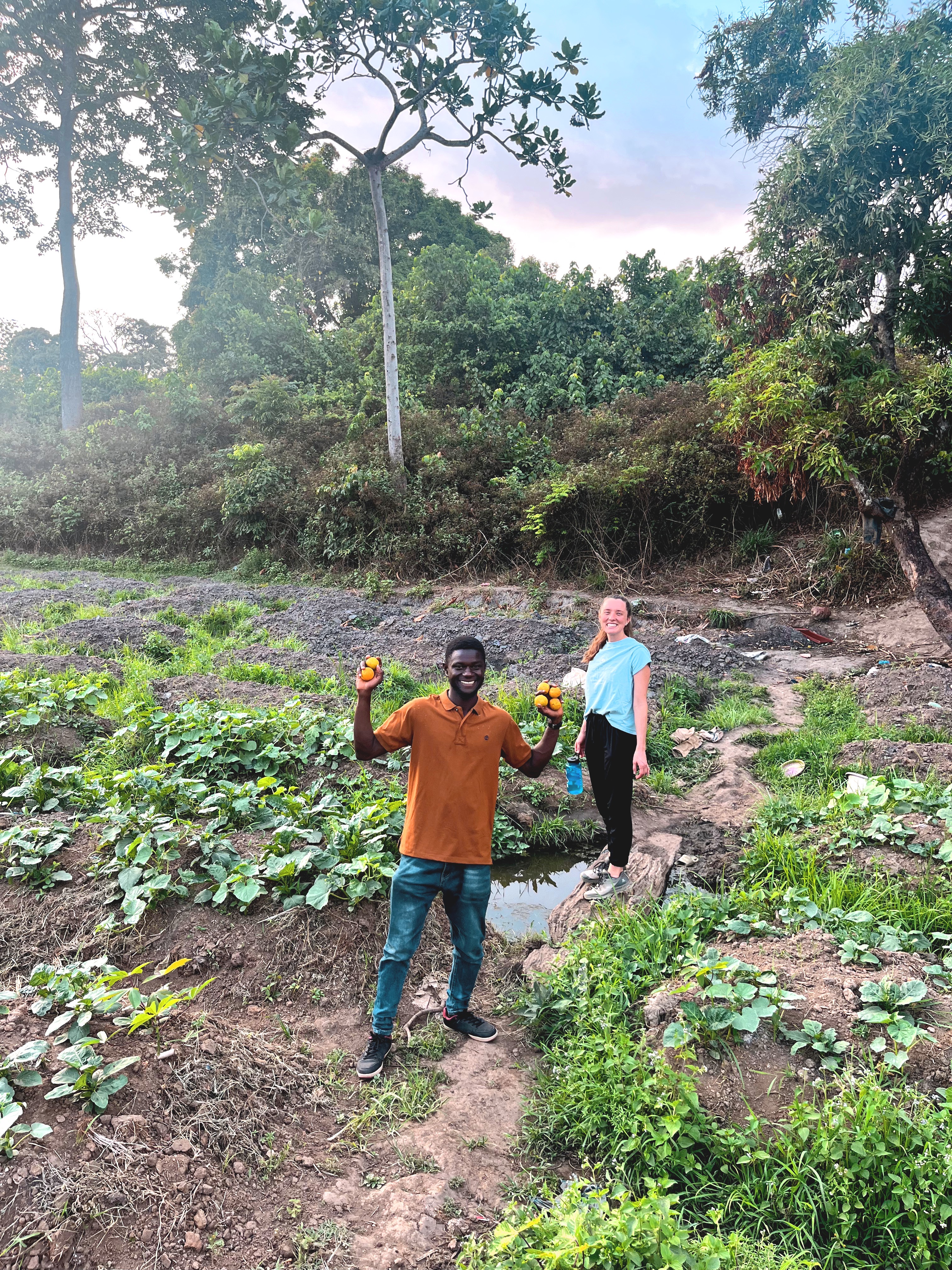
Our time unfolded into this beautiful rhythm of slowness. Morning devotionals, long walks through the hills, spotting small villages tucked into the trees like secrets waiting to be discovered. Strangers welcoming us into their lives with offers of smiles and oranges. We’d sit for hours reading our Bibles, journaling, and diving into books that stirred something deep in both of us. Conversations about faith flowed freely, raw, honest, and vulnerable. We opened up about our struggles, our doubts, our desires, and God met us there. Again and again.
It felt like every time we brought something before Him, whether it was a question or a cry, He answered. Through a passage of Scripture, a line in a book, or something in a devotional that seemed to speak directly to what we were wrestling with. We’d run to each other with excitement: “Look what I just read!” “This is exactly what I needed to hear.” It became a rhythm of receiving and sharing, like a heartbeat, us and God, in perfect sync.
At one point, we laughed and asked each other, “Why can’t it always be like this? Why don’t we hear from God this clearly every day?” But deep down, we knew the answer. We had stopped. We had unhurried. We had made space to actually listen. In the quiet, with no distractions, we had slowed down long enough to hear the still, small voice that had been speaking all along.
Lately, I’ve been part of a small group called Practicing the Way, based on John Mark Comer’s new book of the same name. The book explores what it truly means to follow Jesus, not just to believe in Him, but to become His apprentice. To reorient our lives around His presence and His practices. It’s about moving beyond performance-based faith and into an intentional way of life that prioritizes being with Jesus, becoming like Him, and doing what He did.
Before this trip, and even before starting the course, I think I had a more surface-level understanding of discipleship. I believed in Jesus deeply, but I hadn’t fully grasped what it meant to live with Him at the centre of everything. But this past week changed something in me. It felt like a door opened wider, my heart opened wider, and my relationship with Jesus deepened again.
And what I’m learning is this: it’s a slow burn.
Following Jesus isn’t about the instant fix. It’s not the emotional high of a single moment or the dramatic before-and-after transformation we sometimes expect. It’s the quiet, faithful decision to keep showing up, to keep seeking, listening, surrendering. It’s about the long journey of becoming more like Him, step by step, moment by moment. There’s beauty in that slow becoming, but it also requires patience. It requires trust.
We live in a world that rushes everything, progress has to be measurable, results have to be immediate, growth has to be visible. We’re taught to hustle, to optimize, to fix what’s broken as fast as possible. But Jesus doesn’t work like that. He’s not hurried, and He’s not interested in surface-level change. He’s after the heart. And hearts take time to heal. Time to grow. Time to soften.
So I’m learning to let go of the pressure, the pressure to have it all figured out, to be the “perfect Christian,” to know all the answers. I’m learning to lean into the mystery of it all. To sit with the questions instead of rushing past them. To trust that even when I can’t see what God is doing, He is still doing something. Still forming me. Still faithful.
There is a sacredness to the slow work of God, how He gently peels back layers, reveals wounds not to shame but to heal, invites us into deeper trust, deeper surrender.
In the quiet hills of Guinea, I remembered what it means to abide. Not to perform or strive or prove, but simply to remain. To stay close. To dwell with Him. And I don’t want to forget that. I don’t want to rush past the whispers of God in search of louder answers. I want to be the kind of person who lingers. Who listens. Who lets the slow burn of transformation warm me from the inside out.Because that’s where real change happens, in the slowness. In the staying. In the abiding.
 AYLA IN AFRICA
Leave a comment